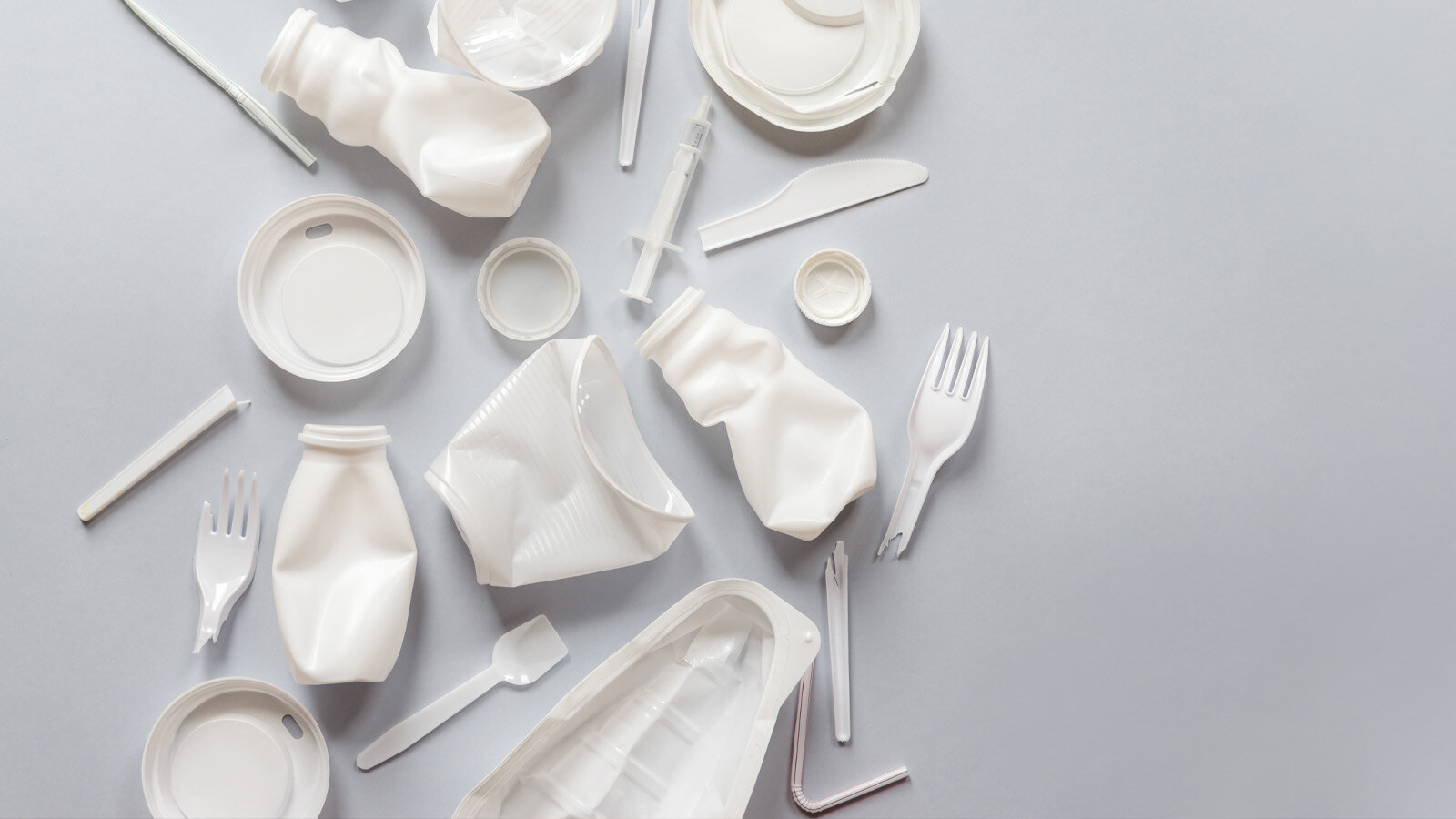




In 2019, the EU adopted the SUP legislation, which took effect July 1, 2021 in the Netherlands and early 2022 in Belgium. These rules should prevent (waste from) SUPs. What are SUPs, and what exactly does the legislation entail? Why was it passed, and what does it mean for your business? In this article, we explain it all. Also what Milgro can do for you in this area.
What does SUP stand for?
SUP stands for 'Single-use Plastics', commonly referred to in Dutch as 'wegwerpplastic'. Typical examples include coffee cups, stirrers and sandwich bags. SUPs are often produced in seconds and used for only a few minutes, yet they can take hundreds of years to break down.
Read also
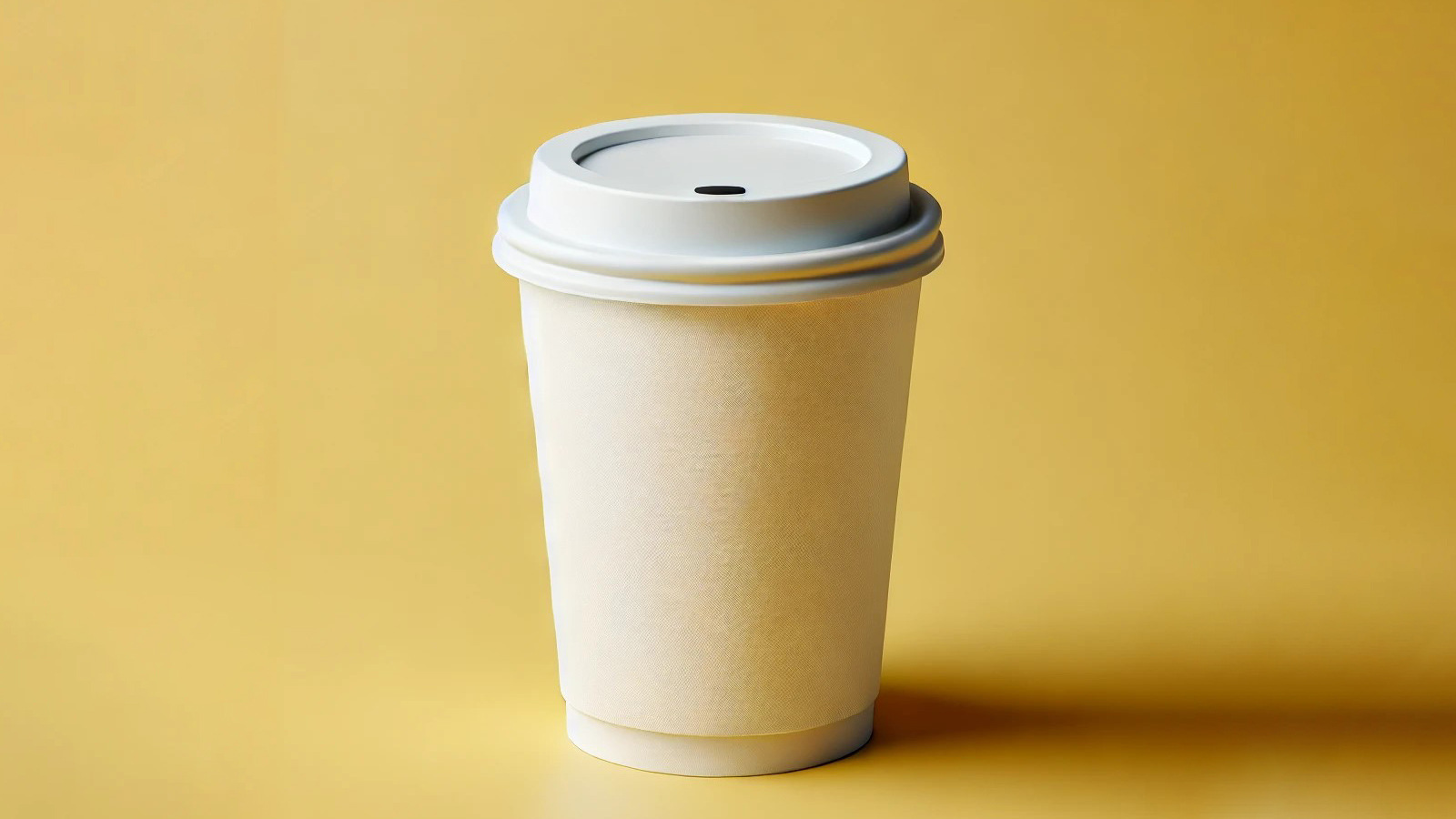
Zero Waste Office: coffee cups
What is the SUP directive?
The SUP Directive is a European regulation aimed at reducing the environmental impact of single-use plastics (SUPs). It entered into force on 3 July 2021. Since then, the scope of the Directive has gradually expanded, with additional requirements being introduced over time. Examples of these measures include:
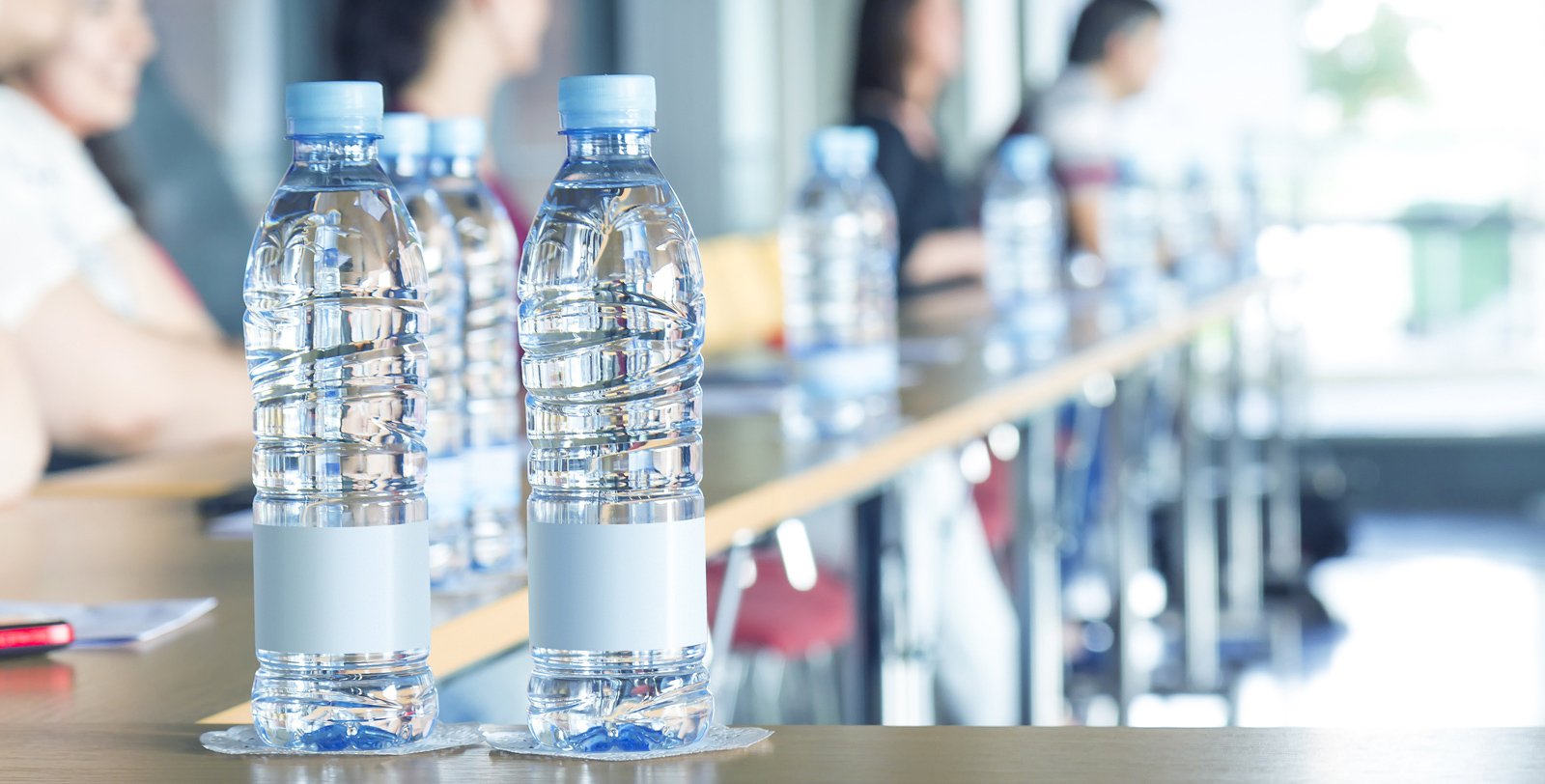
- As of July 1, 2021, deposits on plastic bottles will apply.
- As of July 3, 2021, certain products require a logo indicating that the plastic in the product is harmful to nature.
- As of Jan. 1, 2022, fishermen must collect a minimum of 23% of their fishing gear waste. This percentage will increase annually, as fish waste accounts for as much as a quarter of plastic waste in the sea.
- As of Jan. 1, 2023, manufacturers of plastic products are responsible for cleaning up plastic litter.
- As of July 1, 2024, caps must be attached to plastic bottles and beverage containers.
- From 2025, PET bottles must consist of at least 25% recycled plastic. By 2030, this must be at least 30%.
Why the SUP directive?
As much as 40% of global plastic production involves SUPs, which requires a lot of valuable raw materials. Raw materials that are often lost; especially in countries where plastic cannot be handed in separately, or where waste is not collected.
Thus, many plastics end up in nature. For example, they contribute greatly to the plastic soup in our oceans. Animals get caught in these floating accumulations of waste and eat the toxic material.
Eventually, the pollutants in the plastic even enter our food chain via fish.
In short, SUPs can be seen as wasteful and highly polluting. This is unacceptable in this day and age, when we are committed to the resource transition. That transition is about extending the life of raw materials. So that they can be used efficiently and sustainably in a circular economy. SUPs have no place within this.
The alternative to SUPs: re-use
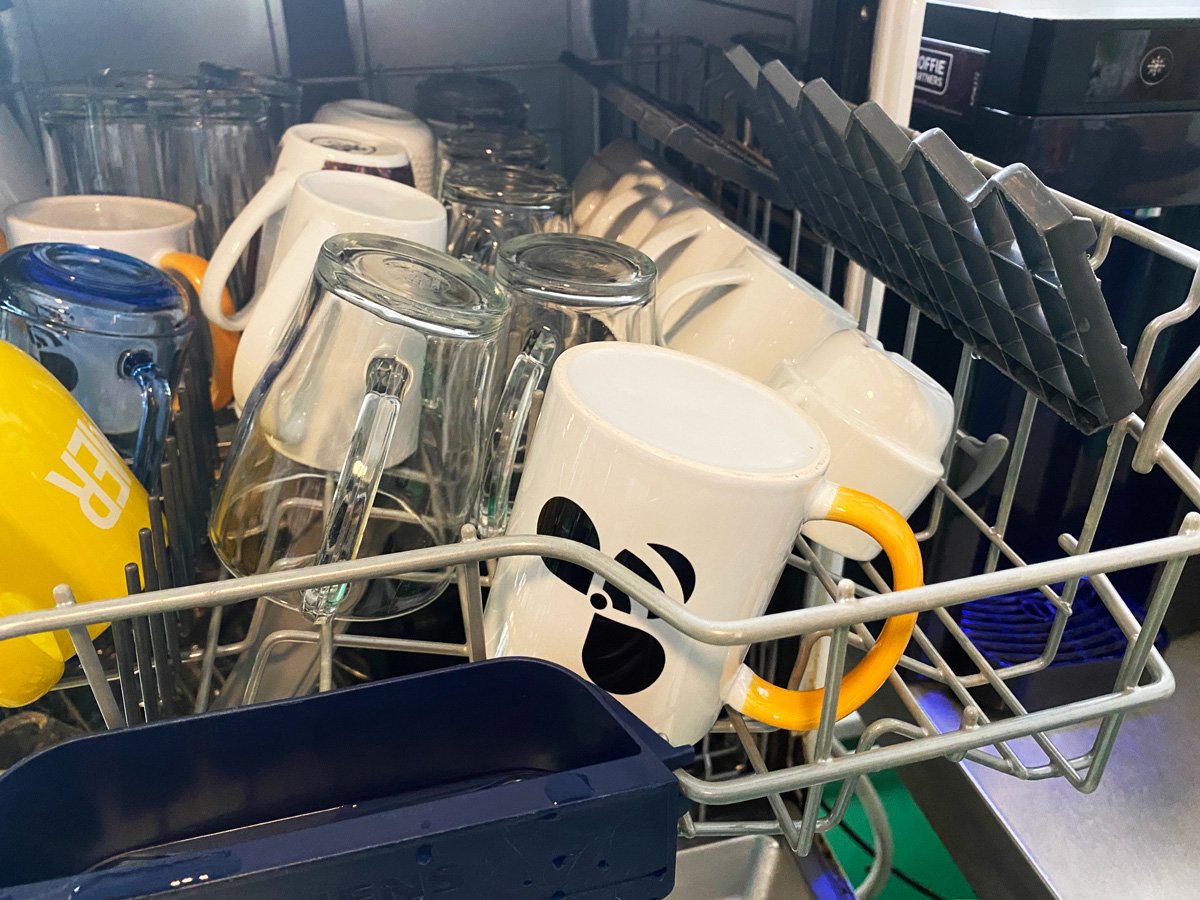
The alternative to single-use products is reuse. This means a strong focus on reusable systems. For example, reusable cups and packaging are increasingly becoming the standard in the hospitality industry. Disposable packaging may only be used in exceptional cases, and even then, companies are required to collect 75–90% of it for high-quality recycling.
Read also
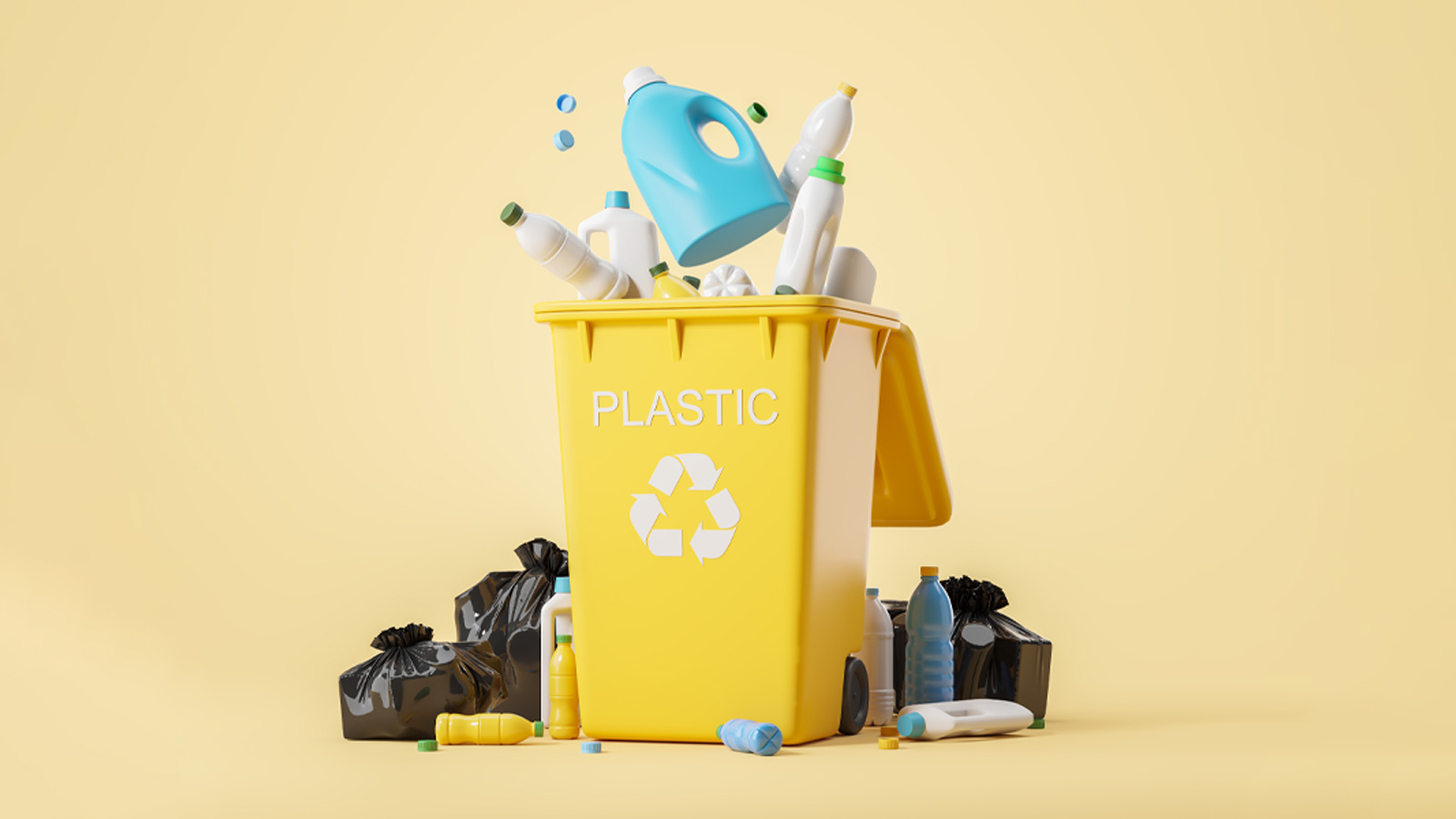
Plastics in a circular system
What does the SUP directive entail for me?
Businesses
Under SUP legislation, every company now has extended producer responsibility (EPR). This means that your company is responsible for collecting, recycling and preventing (litter) waste. So this not only involves SUP-producing companies, but also companies that purchase SUPs. Some examples:
- As of July 1, 2023, it will be prohibited to provide free (coffee) cups or plastic milk cups when consumed on site. Hospitality and events in particular are affected.
- As of January 1, 2024, the reuse of coffee cups is mandatory. This applies to in the office, in the construction shed, in canteens and in the factory. In short: in every business area.
Healthcare institutions
Currently, healthcare facilities are still exempt from the SUP legislation. For example, hospitals are still allowed to use disposable cups and crockery. This is due to the strict rules around hygiene. But in public areas of a care institution - for example a canteen - the SUP rules do apply.
Waste collectors
Under the EPR, waste collectors must also think about efficient solutions for collecting and recycling (plastic) waste. After all: the quality and separation of the collected waste determines whether high-quality plastic recycling is successful.
But we are far from there: producers and recyclers will have to cooperate much better to create alternatives to SUPs.
Consumers
Consumers also notice something of the SUP legislation, especially in supermarkets. Because they pass on the surcharge for SUP packaging (for example, for ready-to-eat meals) to the customer. The ultimate goal is that all SUP packaging in the supermarket will eventually be replaced by sustainable alternatives. But when this will happen is impossible to predict. In addition, events such as pop festivals are now working with reusable plastic cups. There is a deposit on these, for example.
Milgro and the SUP directive
For many years, Milgro has been committed to working smarter with raw materials and waste. This is why we have been successfully working on the resource transition for over 30 years. We can therefore advise your company well on your SUPs by looking at alternatives. But also to ensure that your unavoidable SUP waste is processed as sustainably as possible.
Have questions or want to know more? Feel free to contact us.
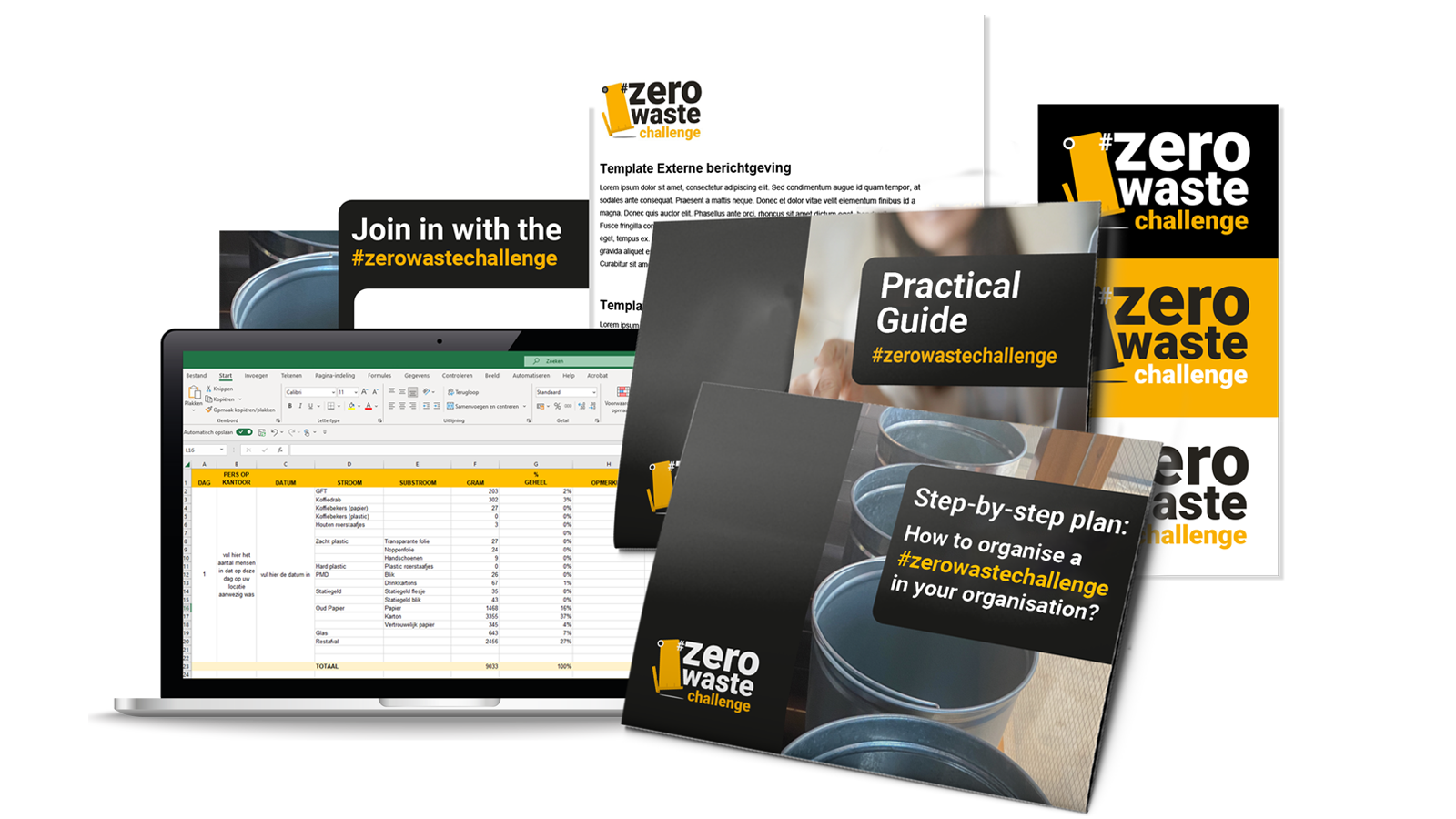
Contribute to a waste-free world
Start now by organizing a #ZeroWasteChallenge for your company. By avoiding waste, you and your colleagues will discover new solutions and contribute to awareness and sustainable waste ambitions. With the help of our handy kit, you can get started in no time.

Stay informed
Follow us on LinkedIn. Here we share the latest news on regulations, circular topics and developments in the industry. You can also subscribe to our newsletter. Curious what Milgro can mean for your operations and waste processes? Feel free to get in touch.
.jpg?width=380&name=Uitgelichte%20afbeelding%20(94).jpg)