

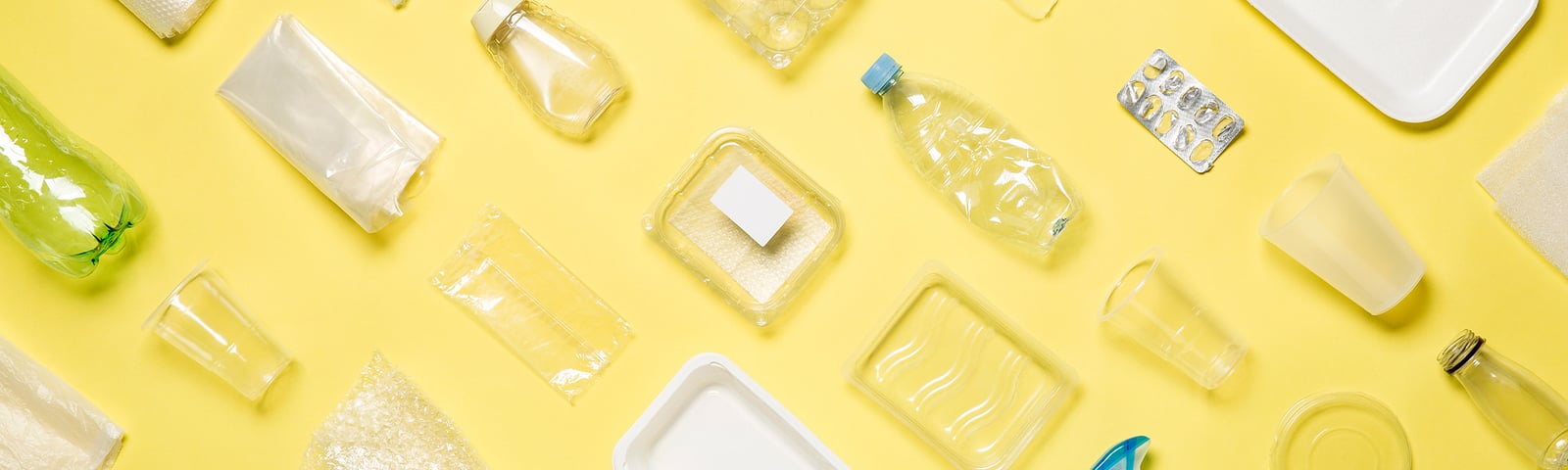
The European Union adopted SUP legislation in 2019 with the aim of reducing the use of disposable plastic and its environmental impact. Since July 1, 2021, the legislation has officially been in force in the Netherlands, followed by Belgium in early 2022. The rules continue to evolve, with additional rules on the use of plastic cups and trays in place since 2023 and further tightening in 2026.
What does the SUP legislation entail?
The SUP legislation is a European legislation to reduce the production and use of Single Use Plastics (SUPs). The goal is to reduce the impact of plastics on the environment.
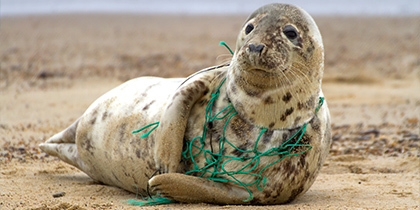
Plastic waste is a growing problem worldwide, with an estimated 11 million tons of plastic entering the sea every year. That is equivalent to one full truck every minute, every day of the year. In oceans, octopuses use plastic for shelter, and in the Netherlands the animal ambulance regularly reports incidents of animals becoming entangled in plastic.
The implementation of SUP legislation has developed step by step in recent years. In 2021, the Netherlands started introducing deposits on small plastic bottles and requiring a logo on products that are harmful to the environment.
In 2022, legislation was expanded: fishermen have since been required to collect at least 23% of their fishing gear waste. Additional responsibilities were also added for producers:
- As of Jan. 1, 2023: producers of plastic products are responsible for cleaning up litter created by their products (EPR). Many event venues are implementing this by having visitors return a token or their used cup when they order a new drink. If visitors do not do so, they pay an additional charge on their next drink.
- From July 1, 2024: caps must be attached to plastic bottles and beverage containers.
- From 2025: PET bottles must consist of at least 25% recycled plastic. By 2030, it must be at least 30%.
SUP legislation: new rules as of 2026
As of Jan. 1, 2026, SUP rules will be further tightened. The government has set a goal of reducing the use of plastic cups and trays by 40% compared to 2022. The mandatory surcharge on disposable packaging should encourage this. For example, do you order a drink from a fast food chain? Then you will pay an extra fee when you choose a cup to go. In addition, more sustainable alternatives will play an important role in achieving this goal.
Read also
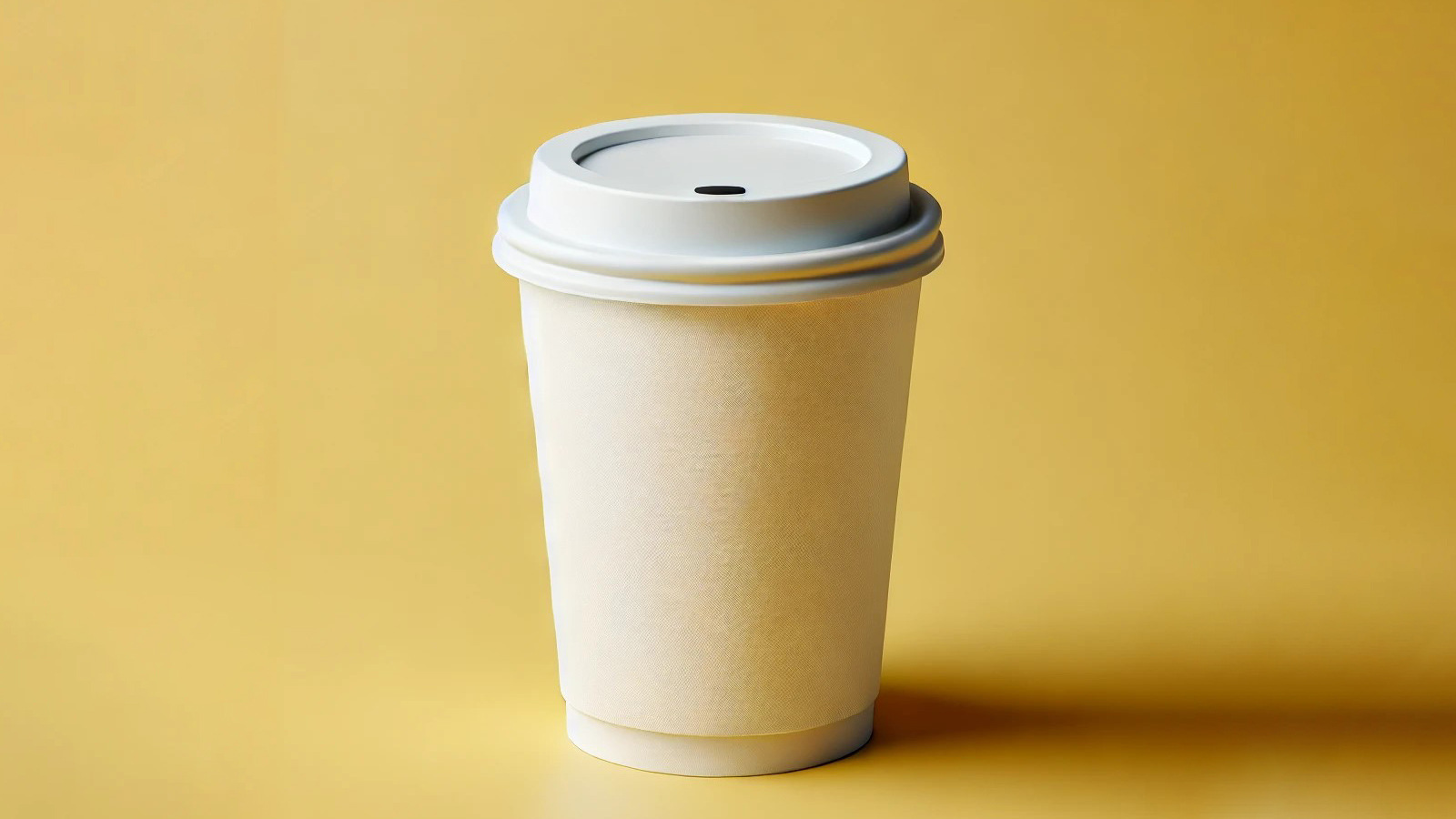
Zero Waste Office: coffee cups
Another change within the SUP legislation is the elimination of the mandatory surcharge on pre-packaged products containing plastic such as supermarket meal salads. An evaluation of the SUP legislation showed that this measure was difficult to implement in practice.
The surcharge led to confusion among consumers and business owners because the distinction between direct consumption (to go) and pre-packaged products in stores was not always clear. Therefore, the government decided to simplify the rule. The surcharge will continue to apply to direct consumption, such as cups and trays at catering or takeaway outlets. The surcharge will disappear for pre-packaged products intended for sale through supermarket or retail outlets.
Implementation of SUP legislation in hospitals and prisons
Currently, healthcare facilities and prisons are still exempt from the SUP legislation. They are still allowed to use disposable cups. This is due to the strict hygiene regulations that apply there. Ordering a drink in the cafeteria? The SUP rules do apply there, however. This means that visitors pay a surcharge if they choose a disposable cup, and that a reusable alternative must always be available.
How can you reduce (plastic) waste within your organization?
The European Union introduced the SUP legislation to reduce the use of disposable plastic and its environmental impact. But in addition to the measures in this legislation, you as an organization can also take steps to reduce plastic waste within your company. We share three practical tips with alternatives to single use plastics:
- Organize a plastic-free lunch, where everyone brings their own lunch in sustainable packaging - such as a reusable lunchbox, beeswax cloth or other alternative. An accessible and social moment to create awareness about plastic use. After lunch, have a conversation with each other: Was it difficult to find an alternative? What challenges did you encounter?
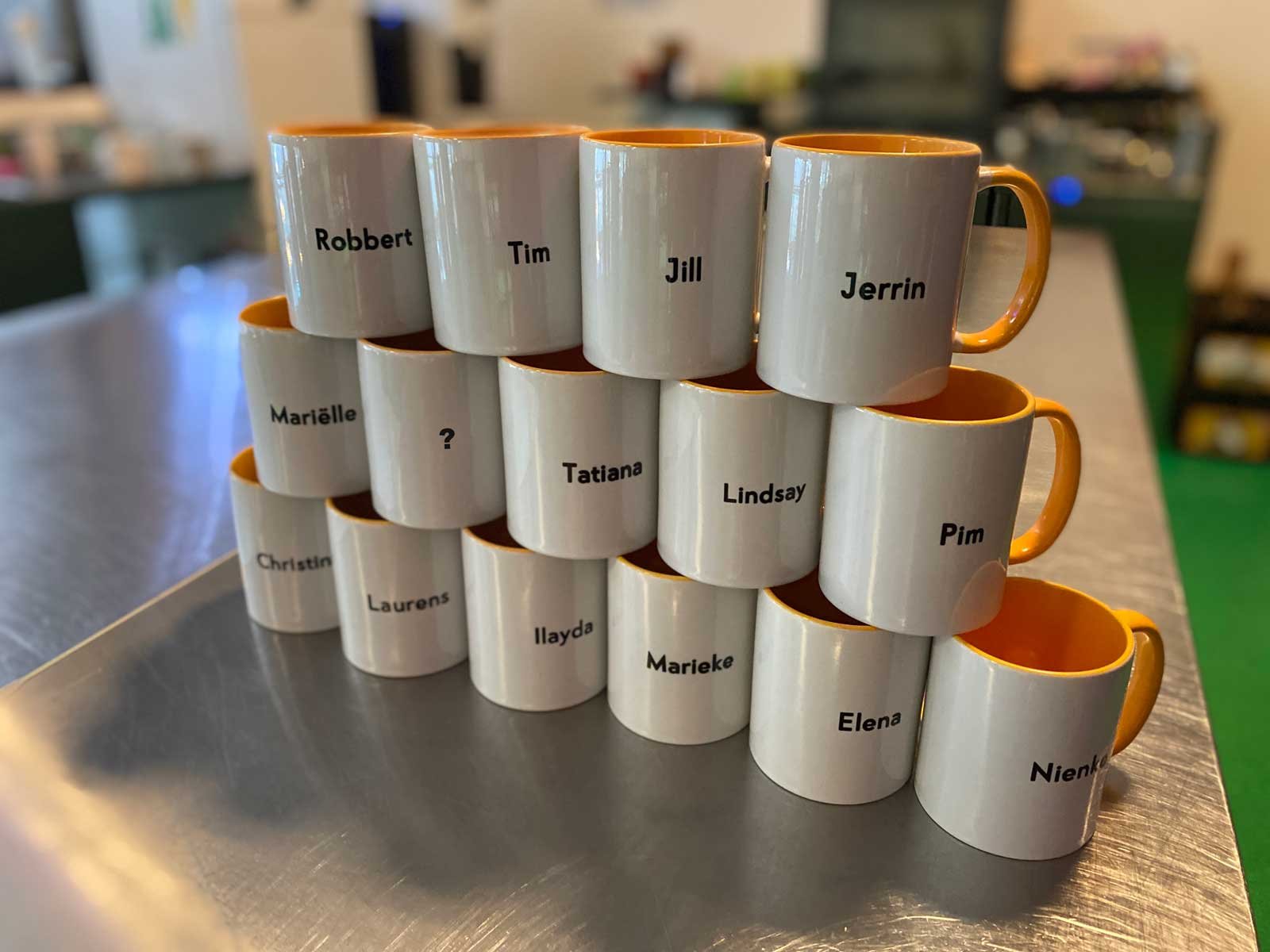
- Encourage the use of reusable bottles and cups in the workplace. At Milgro we applied this ourselves: every colleague received a personalized mug. This way we prevent waste from disposable cups.
- Do an office plastic scan: Walk through the office with colleagues and see where unnecessary plastic is still lying around. Write down what you find and then look for reusable or more sustainable alternatives.
A good example is plastic stirrers for coffee or tea. These are often used only once and then immediately thrown away, while there are excellent alternatives such as metal spoons or wooden stirrers.
Stay informed about the latest updates regarding laws and regulations?
Follow us on LinkdIn and stay up-to-date.

Read also
Plastic Tax: What you need to know
Stay informed
Follow us on LinkedIn. Here we share the latest news on regulations, circular topics and developments in the industry. You can also subscribe to our newsletter. Curious what Milgro can mean for your operations and waste processes? Feel free to get in touch.