

Polypropylene is all around us from the sleeve of your pen to the lid of your yogurt cup. Yet many people are unsure how best to separate this material or what more sustainable alternatives exist. In this blog you will discover what exactly polypropylene is, in which products it occurs, what the advantages and disadvantages are and how you can make waste separation easier and more efficient.
What is polypropylene and what are its properties?
Polypropylene, often abbreviated as PP, is a thermoplastic known for its versatility and strength. The material is lightweight, resistant to chemicals and has a high melting temperature, allowing polypropylene products to remain protected for a long time. In addition, polypropylene is water-repellent, hygienic and easy to process into different shapes, from thin film to sturdy plastic containers. Thanks to these properties, polypropylene is used in numerous applications, from packaging to textile fibers.
In which products can you find polypropylene?
Polypropylene can be found in many everyday products, sometimes without being immediately recognized. Examples are:
- The sleeve of ballpoint pens
- Plastic lids of food packaging
- Storage boxes and storage containers
- Toys and children's stuff
- Textile fibers and bags
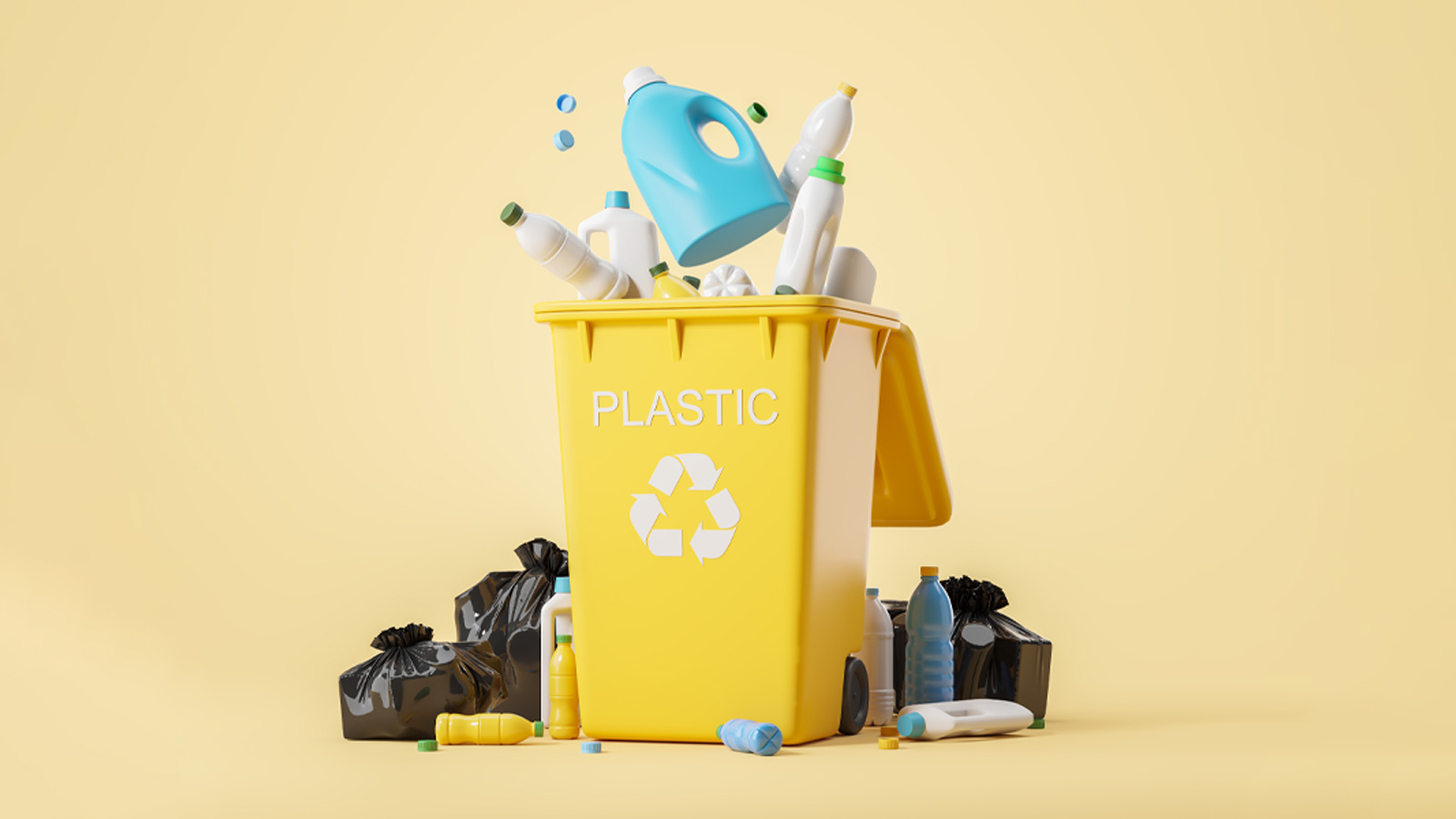
Because polypropylene is so common, it is important to separate it separately in waste disposal. That way, the material can be efficiently recycled and reused.
What are the benefits of polypropylene?
Polypropylene offers several advantages:
- Material durability: It is strong and long-lasting, reducing the need to replace products.
- Resistance to chemicals: Polypropylene hardly degrades from cleaning agents or other substances.
- Lightweight and energy-efficient: Polypropylene products are lighter, so transportation uses less energy.
- Recyclable: Polypropylene can be collected and reprocessed into new products.
These properties make polypropylene a practical plastic that offers a reliable choice in many applications.
What are the disadvantages of polypropylene?
Polypropylene also has disadvantages:
- Environmental impact with improper waste: If polypropylene is not properly separated, it contributes to plastic pollution and microplastics in water and soil.
- Limited recycling opportunities: Contaminated or mixed PP products are more difficult to recycle.
- Not biodegradable: Polypropylene hardly degrades in nature and remains present as waste for a long time.
So proper separation is crucial to extend the life of polypropylene and reduce its impact on the environment.
What are more sustainable alternatives to polypropylene?
There are several more sustainable alternatives available:
- Recycled polypropylene (rPP): Is made from collected PP waste and can replace new products.
- Biobased plastics: Made from renewable resources such as corn or sugarcane.
- Other recyclable plastics: PET can be a good alternative in some applications.
- Reusable materials: Glass, metal or sturdy textiles sometimes offer a more sustainable option, depending on use.
Using these alternatives can reduce reliance on virgin polypropylene and increase the sustainability of products.
Where can you dispose of products containing polypropylene?
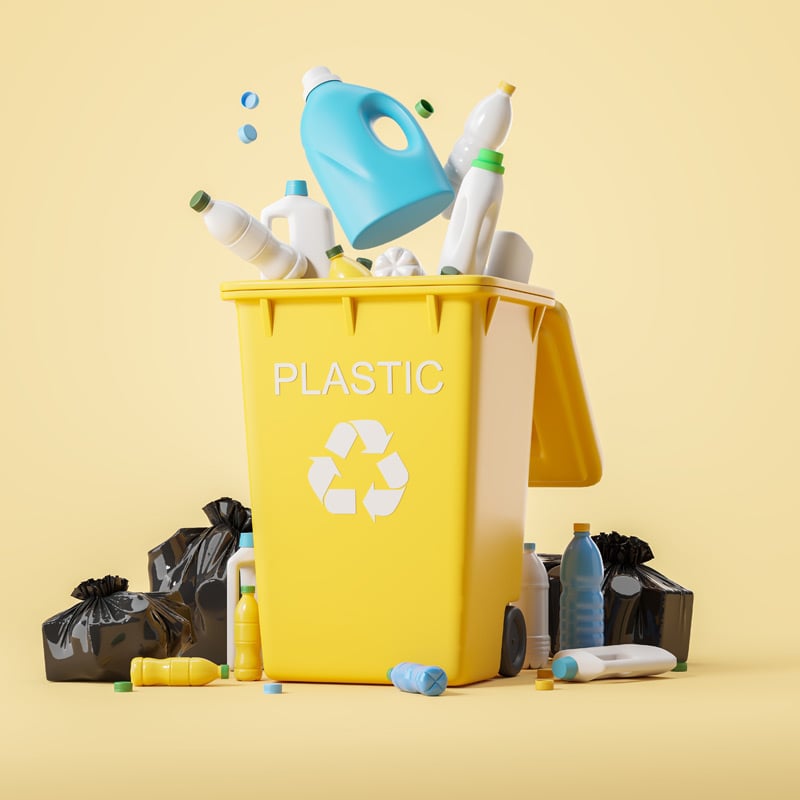
Separating polypropylene (PP) correctly is important for effective recycling. Small products such as ballpoint pens, yogurt or butter container lids and small containers can usually be put in the PMD or plastic waste, preferably clean and free of food debris. Larger items, such as storage boxes or toys, take them to a recycling or special collection point. Reusable bags and some textile fibers can be reused or taken to a special textile collection. By separating PP in this way, the material can be reprocessed and you reduce your impact on the environment.
Want to know more?
Then schedule an appointment with one of our experts!
Milgro helps companies turn waste into value by offering the most cost-effective and sustainable solutions for their waste and residual streams. We connect waste generators with partners who process materials or recover and reuse valuable resources.

Stay informed
Follow us on LinkedIn. Here we share the latest news on regulations, circular topics and developments in the industry. You can also subscribe to our newsletter. Curious what Milgro can mean for your operations and waste processes? Feel free to get in touch.