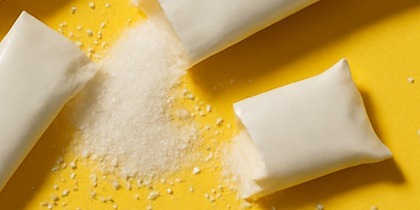


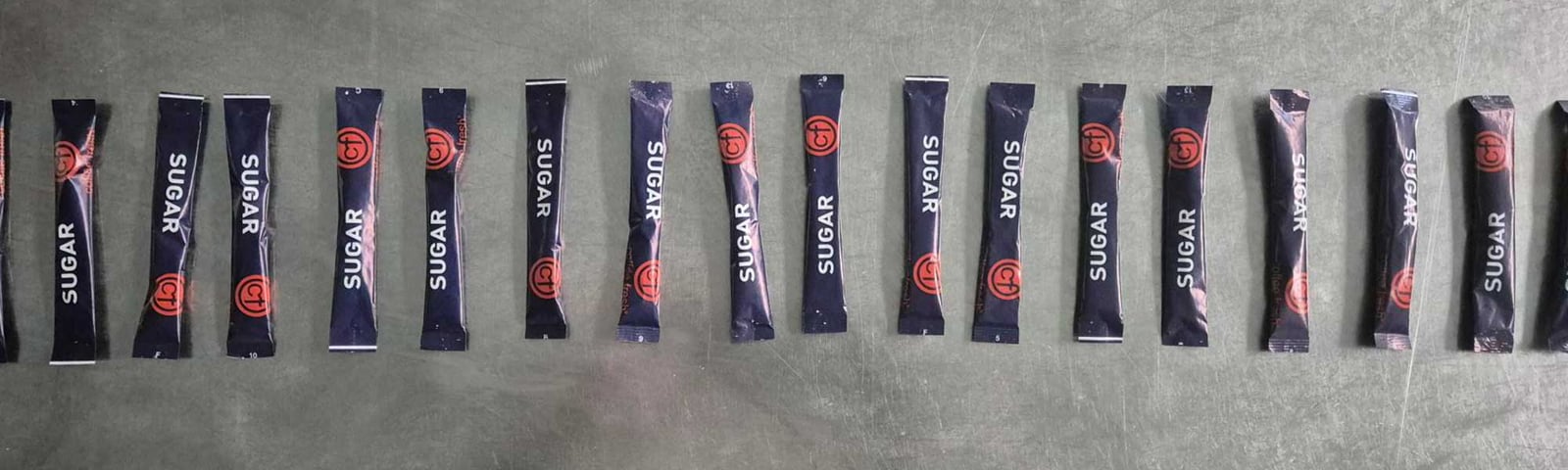
Many offices still have them: piles of sugar packets by the coffee machine. Handy for one cup of coffee, but together these little bags make up a hefty waste stream. As with disposable stirrers, wooden cutlery or tin cans, it is difficult to recycle them due to the mixing materials and coatings. Fortunately, there is a simple solution that produces immediate results and it is very easy to guess!
Why sugar packets create waste
One sugar packet seems small, but on an annual basis an average office uses thousands of packets. Most end up in the residual waste because the plastic or aluminum coating is often not suitable for recycling. This costs energy and resources and contributes to an ever-increasing waste stream. In addition, it means continuous procurement of packaging that is immediately discarded after one use, which not only has an environmental impact but also imposes unnecessary costs on the office. For offices striving for a zero waste workplace, this is a clear opportunity to make a difference. Giving insight into where these bags are now ending up also reveals how big the impact is: an office of 20 people can easily throw away hundreds of sugar bags a week.
The zero waste solution: loose sugar in reusable jars
The simplest and most impactful step is to offer sugar loose in reusable jars or dispensers. This way, everyone scoops their own desired amount, without disposable packets. It's a small change with a big effect: dozens of packages are saved every day and the office takes a clear step toward sustainability.
Alternatives to sugar packets
- Sugar sticks made of paper or biodegradable material
- Bulk sweets in a reusable jar
- Dispensers with liquid sugar solution or syrup
Laws and regulations: looking ahead with zero waste
The European Packaging and Packaging Waste Regulation (PPWR) encourages packaging to be reduced, recyclable and reusable. One concrete component is that single-use packaging such as individual servings of sugar, sauces and creamer or sweetener bags must be replaced by sustainable solutions as much as possible from 2030.
This legislation sets a clear trend: the EU wants to get rid of unnecessary, non-recyclable mini-packaging and sees reuse and refilling as the future. For offices, this means that replacing sugar sachets with loose sugar in jars or reusable dispensers is not only sustainable, but also in line with European directives.
In addition, the PPWR encourages companies to minimize packaging, provide recycled material and offer reusable options as standard. By switching to reusable sugar options now, your office is ahead of the game and showing that small changes count.
Practical tips for a zero waste coffee corner
- Remove sugar packets and opt for jars with spoons
- Use reusable dispensers that are easy to keep clean
- Communicate with the team about the change and the effect on waste
- Think further: other products such as sweeteners can also be offered in bulk
Small step, big difference
A jar of sugar without packets seems small, but the difference is big. As with canned goods, wooden cutlery and office chairs, a zero waste office is about conscious choices. By replacing sugar packets today with reusable alternatives, you are contributing to an office where waste is reduced and sustainability is the norm.
Read also
Zero Waste Office: confidential paper
We regularly get curious glances from passersby through our windows. After all, working in a greenhouse, meeting at a windmill blade or generating your own electricity via an exercise bike; it's not everyday. On our website we are happy to tell you more about our office environment.
Ask our experts
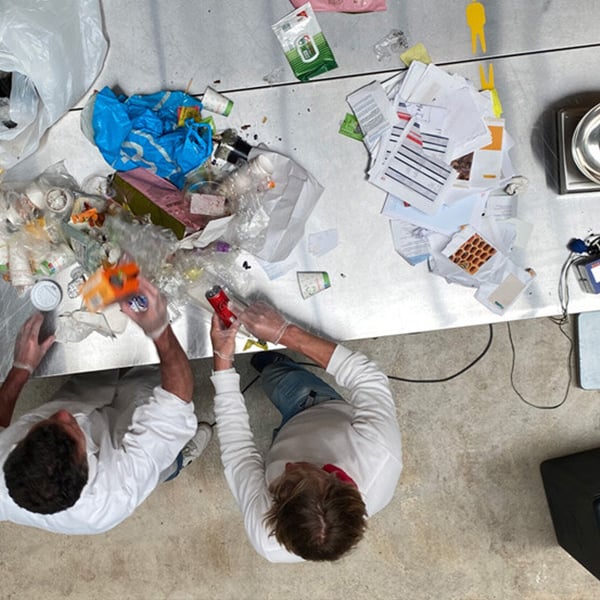
Are you unsure whether certain items in your office are unnecessarily ending up in residual waste? Our experts are happy to help. Send your question to marketing@milgro.nl and we will get back to you with a solution for your residual waste stream.
Read also

Zero Waste office: office chairs
Stay informed
Follow us on LinkedIn. Here we share the latest news on regulations, circular topics and developments in the industry. You can also subscribe to our newsletter. Curious what Milgro can mean for your operations and waste processes? Feel free to get in touch.
.jpg?width=380&name=Uitgelichte%20afbeelding%20(65).jpg)