



Sustainability and circularity are playing an increasing role within packaging and material use. A term that often recurs in this context is PCR: Post-Consumer-Recycled. Moreover, with the introduction of the Packaging and Packaging Waste Regulation(PPWR), the use of PCR is becoming increasingly important and in some cases even mandatory.
But what exactly is PCR? And why does the PPWR encourage its use? In this blog, we explain exactly what PCR is, how it differs from pre-consumer recycled material and why PCR is becoming essential for organizations that want or need to comply with European regulations.
What is PCR: Post-Consumer-Recycled?
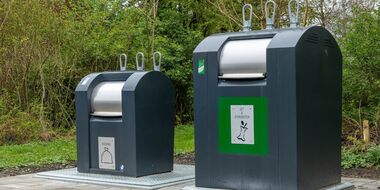
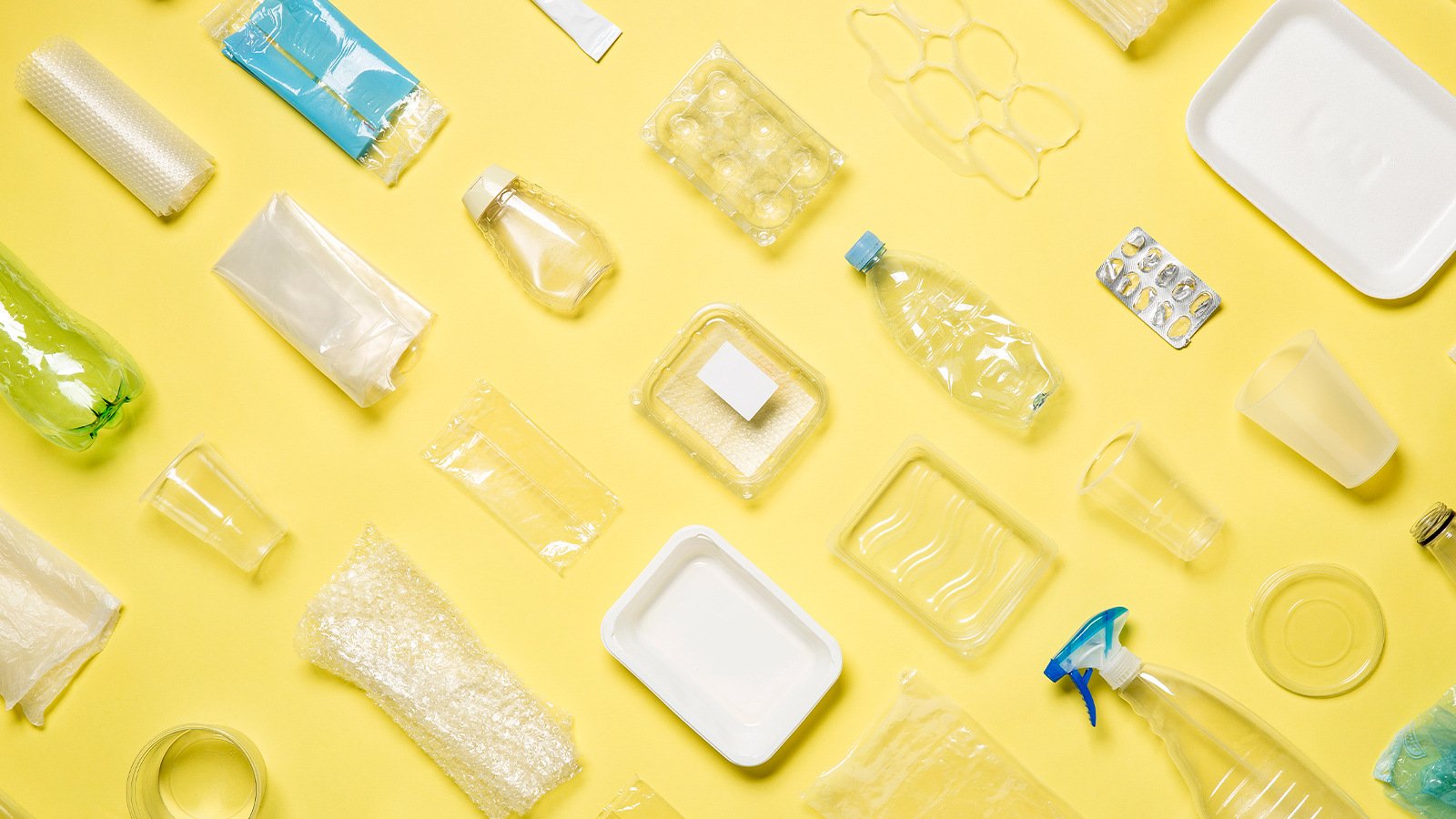
PCR is material made from waste that has already been used by consumers and then collected for recycling. For example, plastic packaging that is collected through waste separation, processed and reused as raw material for new products or packaging.
The key feature of PCR is that the material actually comes from the consumer waste stream. Thus, it has already completed a full life cycle as a product. As a result, PCR directly contributes to closing material chains and reducing waste.
What is the difference between PCR and Pre-Consumer Recycled material?
When talking about recycled material, the terms PCR and Pre-Consumer Recycled (PreCR) often pop up and are occasionally confused with each other. The difference is mainly in where the material comes from and what path it has taken.
- PCR (Post-Consumer-Recycled).
This material has already had a life as a consumer good. It has been used, collected and then recycled into new material.
Example: a PET bottle from collection turned into a new bottle or container. PCR gives waste a second chance, helps reduce the waste stream and reduces the demand for new raw materials.
- PreCR (Pre-Consumer Recycled)
PreCR is created within the manufacturing process, before the product ever reaches a consumer. This type of material is not limited to packaging. It includes different types of material and is released at different times :- Production residue or cutting waste, for example, plastic edges or film surplus.
- Rework, products or parts that have been rejected during quality control but can be reprocessed in the same production line.
- Residual streams from packaging production, such as punching or cutting waste from packaging.
PreCR limits the use of new raw materials and reduces waste within production environments.
In short, PCRcomes from the consumer waste stream and closes the circle in the real world, while PreCR is material that stays within production, including rework and residual streams.
What are the benefits of PCR for companies?
Using PCR (Post-Consumer-Recycled) material offers several benefits for organizations pursuing circular and sustainable goals.
- Reduced use of virgin raw materials
By using PCR, dependence on new, fossil raw materials decreases. This means that less oil or virgin plastic needs to be extracted, helping to conserve natural resources. - Lower environmental impact
PCR typically has a lower carbon footprint than virgin material. Recycling of used material requires less energy than production from virgin raw materials, reducing the environmental impact of products and packaging. - Contribution to circular goals
PCR closes the loop of materials. Waste is returned to the chain and given a new function, helping to achieve circular strategies within the organization and in the broader economy. - Prepared for laws, regulations and market expectations
European regulations, such as the PPWR, mandate minimum percentages of recycled material in packaging. Using PCR helps organizations meet these future obligations and meet increasing market and customer expectations. - Strategic value and supply chain optimization
Applying PCR can also provide operational benefits, such as a more stable supply of materials within the chain and better alignment with suppliers that support circular initiatives. It allows organizations to integrate their sustainability strategy into procurement and manufacturing processes.
In short, PCR is not only a way to reduce environmental impact, but also offers strategic and operational benefits thatcontribute to more robust, circular operations.
Why is the PPWR promoting the use of PCR?
PCR and the PPWR (Reduce, Reuse, Recycle).
The PPWR renews the European packaging rules and imposes obligations on producers, importers and distributors to reduce packaging waste, encourage reuse and promote recycling. The first obligations will apply from August 2026.
The regulation works through the principles of Reduce, Reuse and Recycle:
- Reduce: less and more efficient use of materials to avoid unnecessary packaging.
- Reuse: reusable and refillable packaging is encouraged.
- Recycle: packaging must be recyclable and meet minimum PCR material, increasing toward 2030 and 2040.
A concrete part of the Recycle component are the minimum PCR percentages that apply to plastic packaging starting in 2030, increasing toward 2040. For example, plastic packaging materials such as PET bottles must contain at least 30% PCR by 2030, and for certain categories this percentage may increase toward 65% by 2040.
By combining the three pillars of reduce, reuse and recycle, the PPWR forces companies to understand material use and packaging design, consider recyclability and apply higher percentages of PCR. This structurally encourages the use of recycled materials and supports the transition to a circular supply chain.
Ready for the PPWR? Here's how to prepare your organization:
The introduction of the PPWR requires timely preparation. Consider understanding material flows, the proportion of PCR in packaging and the impact on suppliers and supply chain partners. By understanding now what PCR means within the PPWR, you can avoid surprises once the obligations come into effect.
Staying up-to-date
Want to stay informed about all new developments? Follow us onLinkedIn and Instagram or subscribe to thenewsletter. Are you curious about what Milgro can do for your operations and waste process? Then get in touch.
Stay informed
Follow us on LinkedIn. Here we share the latest news on regulations, circular topics and developments in the industry. You can also subscribe to our newsletter. Curious what Milgro can mean for your operations and waste processes? Feel free to get in touch.