


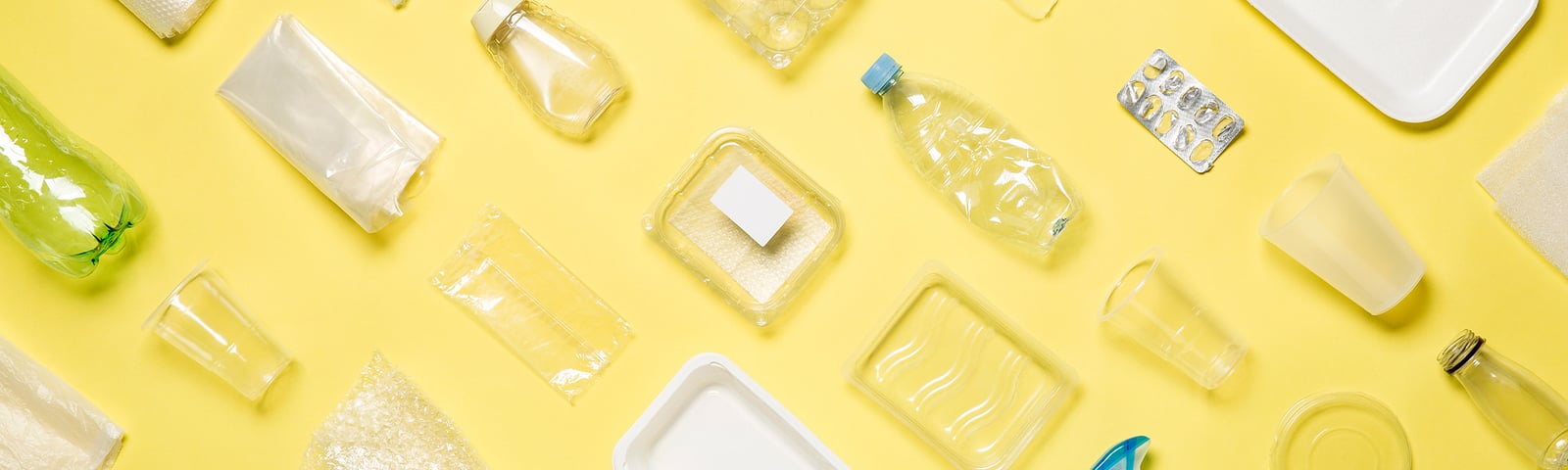
The rules surrounding disposable cups and trays are changing again, and this time it involves more than a minor adjustment. Where in recent years entrepreneurs were mainly concerned about surcharges and exceptions, the focus is now shifting to actual reduction of disposable plastic.
The mandatory surcharge is disappearing, enforcement is changing and regulations are becoming more practical. At the same time, the bar for reuse is higher than ever. For entrepreneurs, this means: now is the time to future-proof processes and choices.
The SUP directive: part of a larger European strategy
The Single Use Plastics (SUP) Directive is part of a much broader European movement toward a circular economy. The goal: less waste, more reuse and packaging that is easier to recycle.
The Netherlands translated the SUP directive into concrete measures: a ban on single-use plastic cups and containers when consumed on site and a mandatory surcharge for take-out. These measures fit within a larger body of European policies, such as extended producer responsibility and waste reduction targets.
The final goal remains ambitious: by 2026, the use of disposable plastic cups and containers should be reduced by 40% compared to 2022.
No more surcharge for disposable cups: what will really change?
From 2027, customers will no longer have to pay a surcharge for disposable cups and trays on the go. Formally, this goes into effect in 2027, but the Environment and Transport Inspectorate (ILT) is already no longer enforcing this.
For business owners, this means:
- less administrative hassle
- simpler checkout processing.
At the same time, the core rule remains: reusable alternatives must always be available, and customers must be allowed to bring their own cup or container (source: Inspectorate for the Environment and Transport).
On-site consumption: the ban remains in place
For on-site consumption, there is a strict ban on disposable cups and trays containing plastic, such as coated paper cups.
An exception is possible, but it is limited and requires a minimum of 85% of packaging to be collected separately for recycling by 2026 (90% by 2027). It also requires the organization to report to the ILT and keep records.
This exception does not apply to offices, businesses or educational institutions; there, recycling remains the norm.
What specifically is the ILT looking at?
Enforcement is shifting from loose rules to the effect on practice. Among other things, the ILT looks at whether:
- reusable alternatives are seriously available
- customers can use their own packaging
- the ban on disposables in on-site consumption is observed
- exceptions comply with collection and recycling percentages
- administration and registration are in order
In addition, the entire chain is included: producers, suppliers, hospitality industry, events and waste processors. This provides a complete picture of where things are going wrong and where adjustments are needed.
Violations: what to expect?
Non-compliance can range from a warning to a penalty, depending on behavior and severity:
- Benevolent → explanation or warning
- Neutral/indifferent → penalty payment
- Structural violation → heavier enforcement
What does this mean concretely for business owners?
The practice is easy to outline:
- Offices and company canteens: reusable cups and containers are mandatory
- Catering (to-go): no more surcharge, but reusable alternatives must be available
- Events: reuse is the standard; exceptions are limited and require strict collection and administration requirements
It is no longer about 'ticking off' rules, but about setting up processes that make reuse logical and feasible.
Read also

Zero Waste Office: coffee cups
Conclusion: less administration, more impact
The legislation around disposable cups is becoming more practical, but the ambition remains high. Less administration, but a clear expectation: structurally less disposable plastic and more reuse.
Those who now structurally commit to reusable systems, good collection and clear communication are ahead of both enforcement and the standard that will become standard in the coming years.

Stay up to date with the latest regulatory updates

Read also
Plastic Tax: What you need to know
Stay informed
Follow us on LinkedIn. Here we share the latest news on regulations, circular topics and developments in the industry. You can also subscribe to our newsletter. Curious what Milgro can mean for your operations and waste processes? Feel free to get in touch.