

The new European EVOA Regulation (EU 2024/1157) will take effect on May 21, 2026. This has radically changed the way waste is transported across European borders. Whereas companies previously relied on paper documents or national systems, the EU now requires all reports and notifications to be processed digitally. All waste shipments crossing the border must be reported in a new European digital system: DIWASS.
For the plastics industry, this new European regulation presents a challenge.
What changes will occur for each material stream under the new EVOA Regulation?
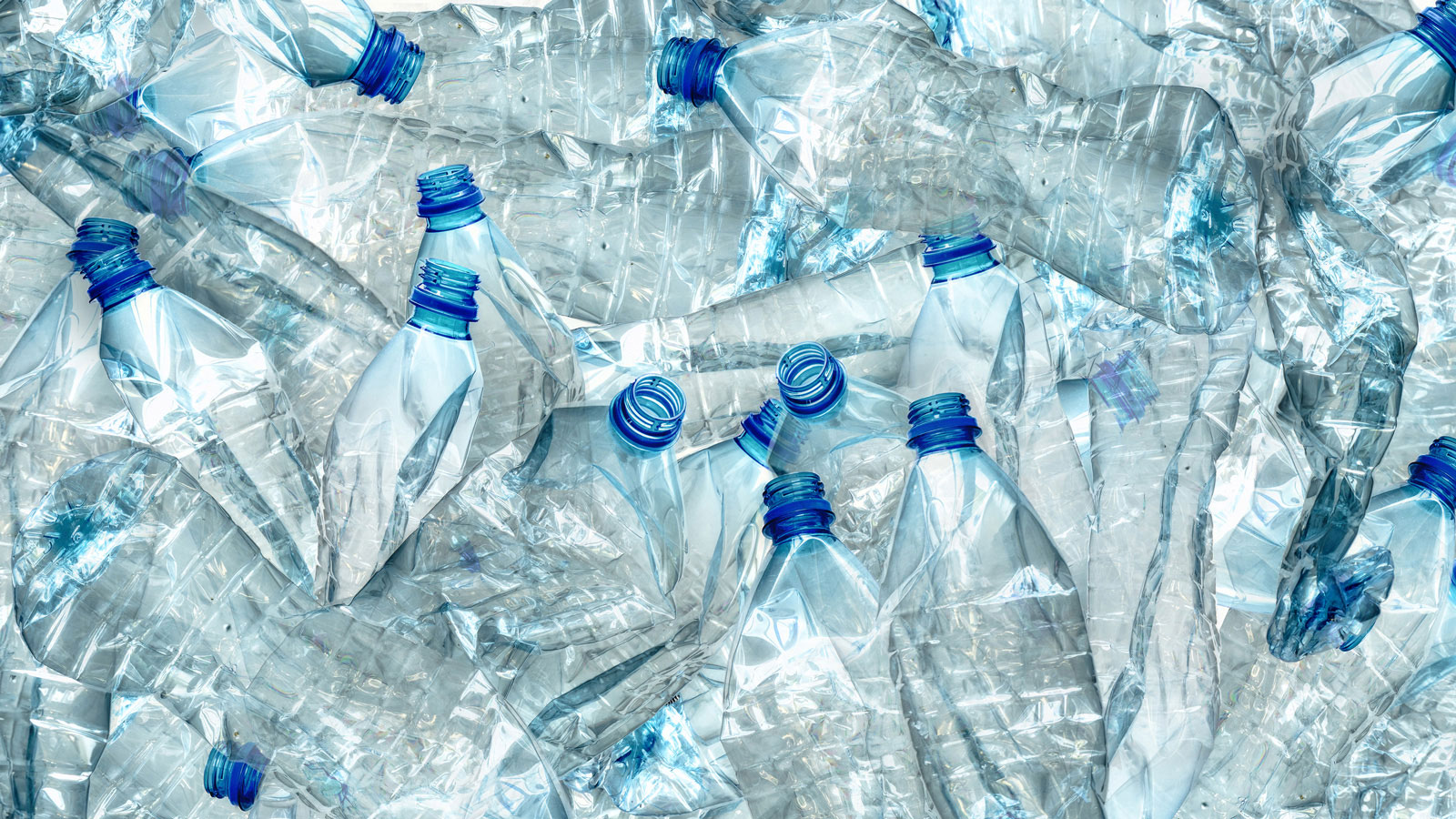
The situation for plastic waste
Starting May 21, 2026 , the export of B3011 plastic waste to both OECD and non-OECD countries will be subject to the PIC (Prior Informed Consent) procedure . In practice, this means that before you can export a shipment of plastic waste, you must officially request and obtain permission from the competent authorities in the exporting country, all transit countries, and the importing country. Only once everyone has given their approval may the shipment depart.
This has three concrete consequences. First, it takes time: waiting for approval from multiple countries can take weeks to months, causing waste to remain in storage longer. Additionally, it requires a financial bond as a guarantee that the waste will be properly processed. Third, a full permitting process is required for each shipment, whereas previously it was sufficient to include a single form with the shipment.
Starting November 21, 2026 , it will no longer be possible to export to non-OECD countries at all. From that point on, plastic waste may only be exported to OECD countries , such as the United Kingdom, Norway, Switzerland, and Turkey. The PIC procedure remains mandatory. Countries to which the Netherlands normally sent the largest volumes—such as Indonesia, Malaysia, and Vietnam—are therefore no longer viable destinations.
What applies to other material streams?
For other non-hazardous waste streams, such as paper, metal, wood, and glass, the situation is different. These materials are not subject to a separate export ban, unlike plastic waste. As of May 21, 2026, exports to non-OECD countries will still be permitted. However, the Third-Country Regulation specifies which procedure applies for each destination country: for some countries, an information form accompanying the shipment is sufficient (Annex VII), while for others, additional notification is required.
The Third Countries Regulation will expire after May 2027 . From that point on, exports to non-OECD countries will only be permitted if the destination country appears on a new list approved by the European Commission.
The difference is thus clear: while other sectors are facing gradually tightening conditions, the plastics industry is confronted with a more extreme export ban on countries that were previously the recipients of the largest volumes.

Why is so much plastic waste exported abroad?
Plastic waste is exported on a large scale to countries outside Europe, and there is a simple reason for this: recycling in Europe is expensive. In high-wage countries like the Netherlands, the manual labor required to remove dirt, stickers, and labels from plastic is costly. In addition, the Netherlands and Belgium have too few recycling facilities to process all the collected plastic themselves.
Furthermore, a large portion of the exported waste is simply waste that we don’t want to process here ourselves—too dirty, too mixed, or too difficult to handle profitably. By exporting it, European countries meet their recycling targets. How does that work? In Europe, a waste stream counts as recycled as soon as it is collected and transferred to a processor—even if that processor is on the other side of the world. For a long time, there was virtually no oversight of what actually happened to it afterward. The Netherlands exports plastic waste to Indonesia, records it as recycled, and thereby meets the European target. The result? Plastic that was counted as recycled on paper often ended up in an illegal landfill in reality.
What are the implications of the EVOA regulation for the European plastic recycling sector?
The timing of the EVOA Regulation is unfortunate, as the European plastic recycling sector is already facing tough times. In 2024, five Dutch plastic recycling companies went bankrupt. The main cause? Fierce competition from cheap virgin plastic from the United States and China is driving down prices to the point where recycled plastic is barely competitive. On top of that, recyclers are struggling to sell their recycled plastic due to cheap recycled plastic imported from outside the EU.
The EVOA Regulation is adding new challenges for the sector. The approximately 1.5 million metric tons of plastic waste that is currently still processed outside the EU will soon have to be processed entirely within Europe, even though the EU has actually lost about 1 million metric tons of processing capacity over the past three years.
The EVOA as an Opportunity for a Stronger European Recycling Sector
In addition to the challenges, the EVOA also offers opportunities. By keeping plastic waste within Europe, the EU reduces its dependence on virgin plastic from China and the United States. That dependence is becoming increasingly vulnerable: geopolitical tensions are making import flows more uncertain, and raw materials are becoming scarcer. A study by Milgro of more than 300 Dutch and 200 Belgian organizations shows that 78% of Dutch organizations are already feeling the effects of raw material scarcity, and that percentage continues to grow.
Plastic that currently leaves the EU as an export will soon remain available as a secondary raw material. Recycled plastic will thus no longer be a waste product, but a strategic raw material. Combined with the blending requirement—which mandates that plastics processors use a certain percentage of recycled plastic—this creates a situation where supply and demand within Europe are aligned.

Want to know more?
In a market that is changing so rapidly, we’re here to help you rethink your plastic waste streams: separate them more effectively, manage them more intelligently, or prevent them altogether wherever possible. Curious how we can help your organization with this? Download our brochure.

Stay informed
Follow us on LinkedIn. Here we share the latest news on regulations, circular topics and developments in the industry. You can also subscribe to our newsletter. Curious what Milgro can mean for your operations and waste processes? Feel free to get in touch.
.jpg?width=380&name=Uitgelichte%20afbeelding%20(82).jpg)