

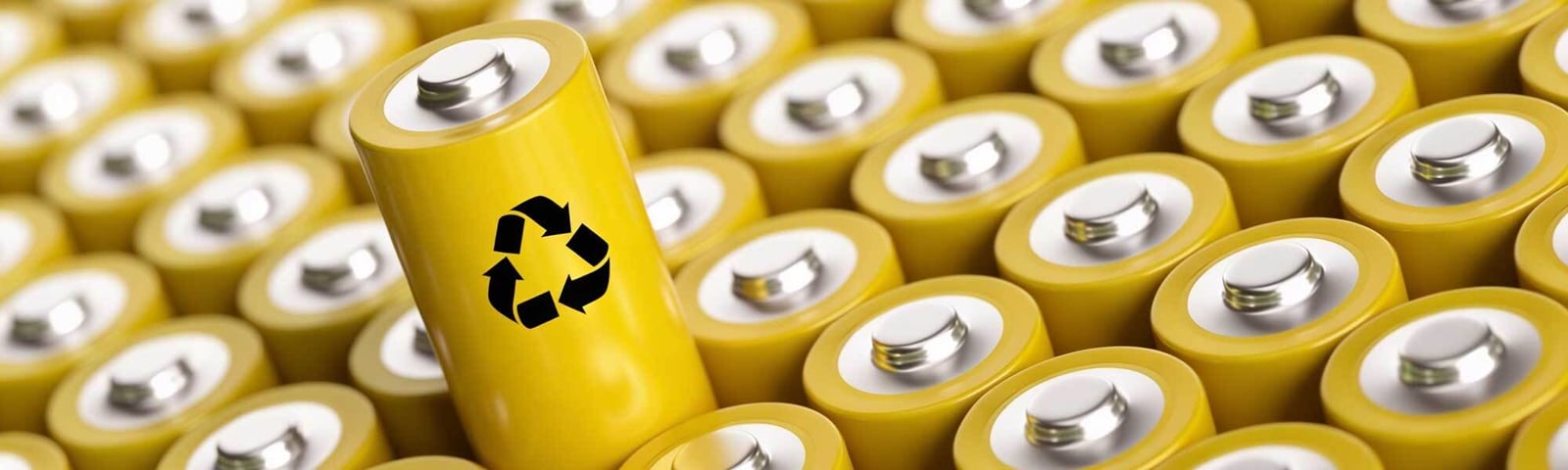
Electronic devices have become an integral part of our daily lives. From smartphones and laptops to printers and household appliances, they make our lives easier, but also create a growing problem when they stop working. E-waste, or electronic waste, is a major challenge to the environment and the availability of valuable resources. In this blog, we answer the most frequently asked questions about batteries, e-waste and recycling so you know how to handle old electronics responsibly.
What is e-waste?
E-waste includes all discarded electronic devices and components that are no longer used. This can range from old phones and laptops to printers, kitchen appliances and batteries. Because many of these devices contain harmful substances such as lead, mercury and lithium, it is essential that e-waste is collected and recycled safely. In this way, we prevent environmental pollution and recover valuable materials for new products.
Why is e-waste an environmental problem?
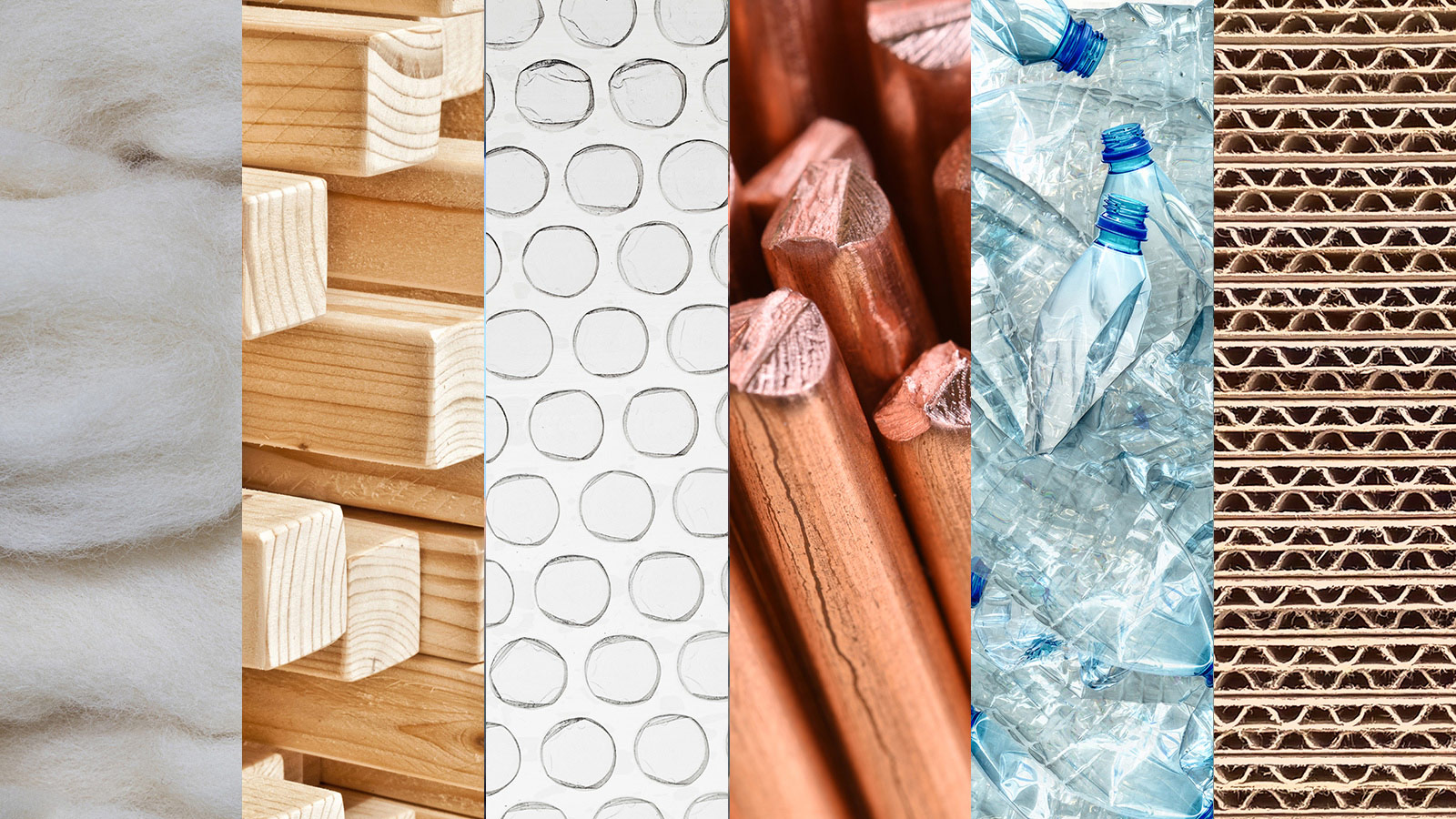
When electronics are improperly disposed of, harmful substances can cause soil and water pollution. In addition, valuable materials, such as copper, cobalt and rare earths, are lost that could otherwise have been reused. By properly recycling e-waste, we reduce environmental impact and save resources.
What materials are in batteries?
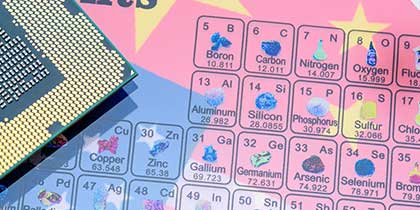
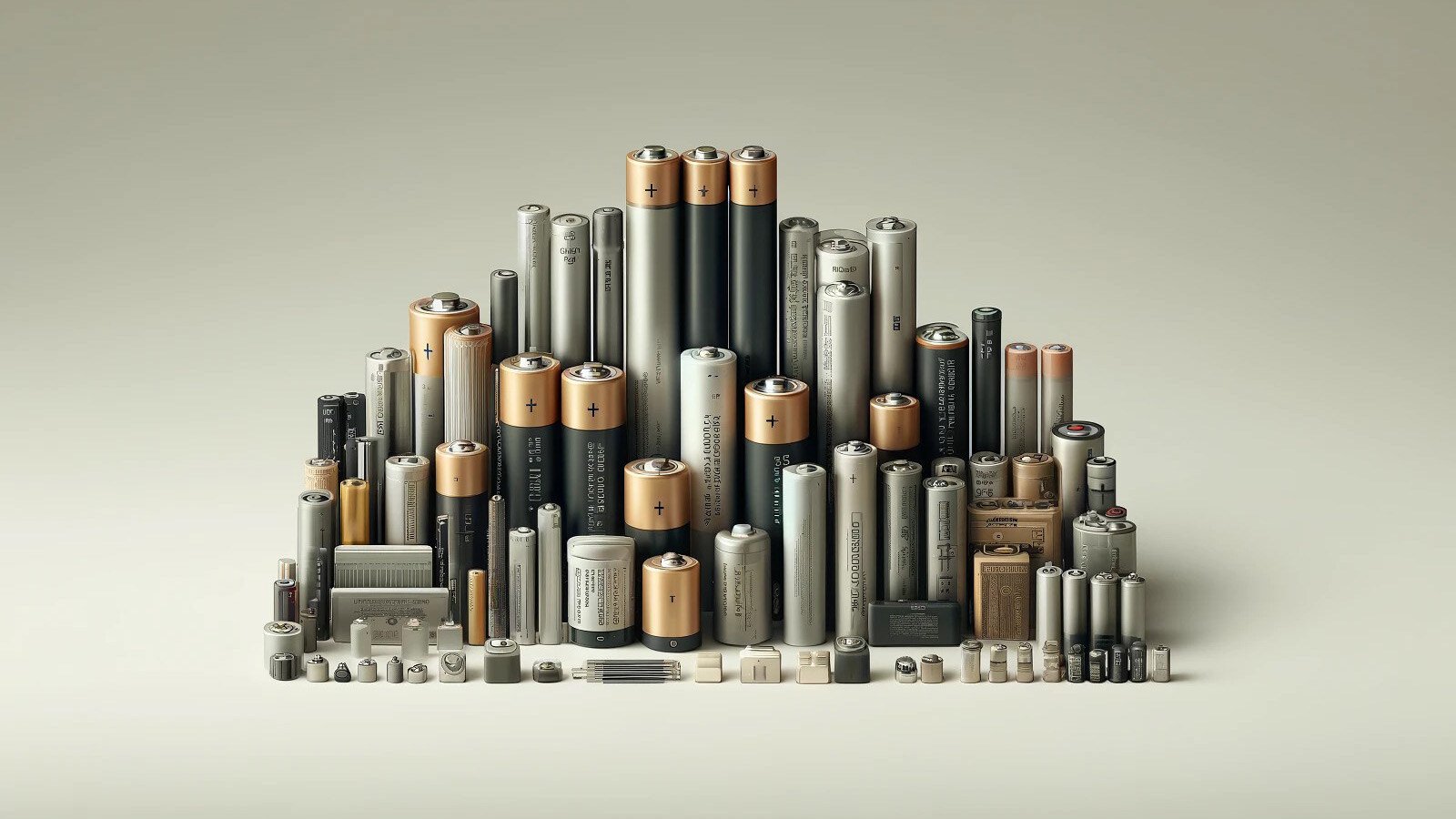
Batteries contain a mix of metals and chemicals. Common materials are lithium, cobalt, nickel, manganese and lead. Because these raw materials are scarce and environmentally sensitive, it is important to recycle old batteries. That way, the metals can be reused for new batteries or other applications.
How can I safely dispose of old batteries?
Batteries never belong in ordinary waste. Return them to specialized collection points, such as supermarkets, electronics stores or municipal recycling stations. For larger quantities, for example at companies, there are often collection or return programs that ensure that the batteries are disposed of safely.
What happens to recycled batteries?
In recycling, batteries are taken apart and the materials such as metals, plastics and chemicals are reused for new products. This reduces the demand for new raw materials and reduces the environmental impact of production.
Can all electronics and batteries be recycled?
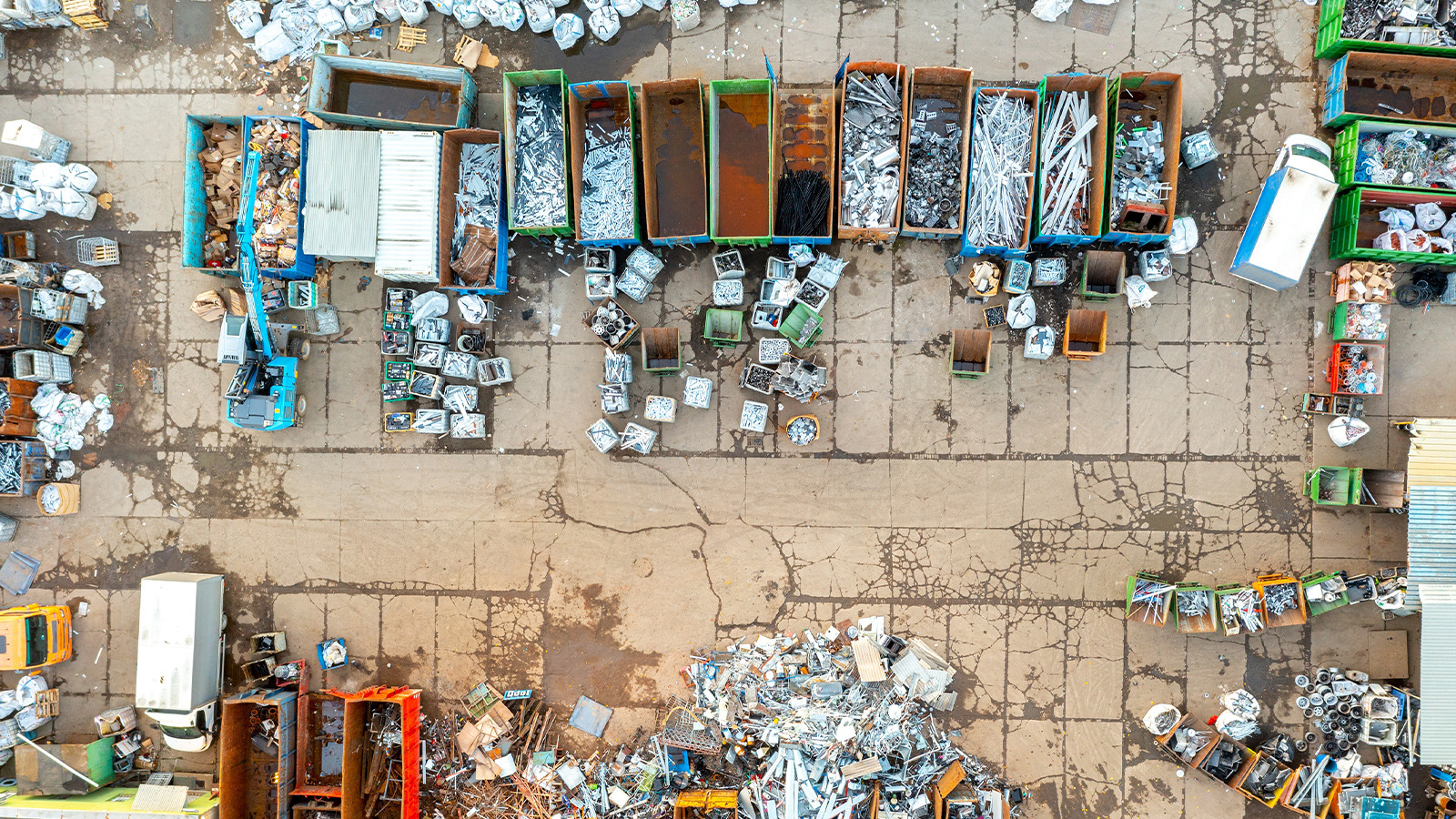
Almost all electronics can be recycled, but some devices are more complex or contain hazardous substances. Lithium-ion batteries in particular must be handled carefully before the metals can be recovered. Specialized processors ensure that this is done safely.
How do I recognize a battery that needs to be recycled?
All batteries that no longer work or are past their expiration date should be recycled. Pay extra attention to batteries that swell, leak or are damaged, as these are extra hazardous and require special handling.
Are there rules for e-waste and batteries in the Netherlands?
Yes. In the Netherlands, the Environmental Management Act and the EU Battery Directive apply. These laws require producers to collect and recycle electronics and batteries. Municipalities often provide collection points for consumers, while companies must use specialized waste processors.
How can I use my electronics more sustainably?
Use appliances as long as possible, repair them if possible, and choose models with replaceable batteries or energy-efficient technology. This will reduce your carbon footprint and reduce e-waste.
Why is recycling e-waste important for resources?
Many electronic devices contain scarce and precious materials. By recycling e-waste, metals such as copper, gold, silver and cobalt can be reused. This protects the environment and reduces dependence on new resource extraction.
By collecting and recycling old batteries and electronics responsibly, you contribute to a sustainable future. Want to see how this works in practice? In an upcoming blog, we'll take you behind the scenes at our Milgro office, where we'll show you how we handle e-waste and what materials we recover.
Want to learn more?
Milgro offers companies the most profitable and sustainable solution for their waste and residual streams. We do this by connecting companies where waste is generated with companies that process the waste or reuse the raw materials from it.
Schedule an appointment with one of our experts.

Stay informed
Follow us on LinkedIn. Here we share the latest news on regulations, circular topics and developments in the industry. You can also subscribe to our newsletter. Curious what Milgro can mean for your operations and waste processes? Feel free to get in touch.
.jpg?width=380&name=Uitgelichte%20afbeelding%20(82).jpg)
.jpg?width=380&name=Uitgelichte%20afbeelding%20(65).jpg)