




According to the New Economy Index (NEi) from the sustainable business platform Future Up, about 13% of our economy can be classified as circular. A simple calculation shows that this percentage is still nowhere near the government’s goal of 100% circularity by 2050. The key to making progress is to start designing products with circularity in mind. Yet this opportunity is not being widely seized. It’s quite strange, because it’s possible, it pays off, and as an entrepreneur, it helps you comply with the law. So how do you actually seize that opportunity?
In the year 2026, the dominant economic mindset is still linear in nature. A company purchases raw materials and resources, processes them into a product that consumers buy, use, and throw away. That product lifecycle seems to have even shortened in recent decades. Who doesn’t still have a cast-iron skillet from their grandmother’s day tucked away in the kitchen cabinet? In terms of age and durability, it outlasts almost all lightweight modern versions, whose nonstick coatings peel off and whose plastic handles wear out.
From reducing waste to circular design
In the pursuit of circular economy goals, a great deal is indeed being done in the Netherlands to reduce waste and recover materials. The frontrunners are doing everything they can to ensure that their products and the materials they contain aren’t lost after use. Our research shows that companies are primarily taking measures on the operational side: reducing waste production, sourcing sustainably, and using recycled materials. But there’s a limit to this “back end” of the circular economy.
The “front end” of the economy: why circular design is the key
How will our economy transition from the current 13% circular to fully circular by 2050, as mandated by the government’s ambition? To make the greatest strides toward a circular economy, we’ll need to shift our focus to “the front end,” as it’s called. That means we’ll have to look at how a product is designed. It must be circular. With a circular product design, a product can be used over and over again. A smart “front end” also optimizes the “back end.”
Circular design in practice: three examples
And yes, there are already examples of circularly designed products. But not many yet. Take bed manufacturer Auping, for example, which has developed a mattress that is 100% reusable. The mattresses consist of only two different materials: polyester and steel. None of the materials are glued together, making them easy to take apart. Once they’ve reached the end of their useful life, they can be returned to Auping.
The same applies to Ahrend’s office chairs. In the field of electronics, the Fairphone is a good example. The phone’s parts are replaceable, from the screen to the battery. This makes repair the norm. Throwing something away because a single part is defective is a thing of the past. Or visit the circular pavilion “The Field” in Leiden. There, you can see that “donor steel” was used from a dismantled university laboratory in that city.
Circular design starts with sturdy and renewable materials
A number of circular design principles apply to the design of these products. First, durable, high-quality materials are preferred to ensure the product has a very long lifespan. Think of your grandmother’s cast-iron skillet. Ideally, these durable materials are renewable or have already been recycled. Furthermore, a circular designer pays attention to the amount of material used in the product. The less material needed, the better.
Repairable and easy to disassemble: basic principles of circular design
Another requirement is a product’s repairability. The developer can take this into account right from the design phase. Individual product components are easy to obtain and replace, so the product can be repaired. The product should also be easy to disassemble at the end of its life cycle. The individual components can be reused elsewhere, as in the example from Leiden. In this principle, the connections within the product are particularly important. Ideally, the product is assembled using screws or snap-fit connections. The use of adhesive is detrimental to a circular product. It causes materials to bond together, making disassembly a frustrating process.
Standardization as a principle of circular design
Finally, standardization is a key goal in circular design. A wind turbine blade is currently difficult to repurpose because they have become increasingly larger and more advanced over the years. The call for standardization is growing louder in this sector, partly due to this circular mindset. In line with this, designers will need to steer clear of trends and fads. A timeless design is also a circular goal.
Why entrepreneurs hesitate to adopt circular design
For manufacturers, this aspect of the circular economy is quite far-reaching. It’s a daunting step to take in the day-to-day reality of a functioning business with orders, staff, and deadlines. The entire procurement policy must be overhauled; production processes must change, as must the digital infrastructure. It also forces entrepreneurs to think about take-back guarantees and how the company handles repairs.
Circular design pays off: here’s what it delivers
Still, circular product design pays off in the long run. When a customer can use a product for a long time, they’re most satisfied. No washing machine is more highly regarded than a Miele. A high-quality, well-built product doesn’t need to be returned due to a defect, and thus doesn’t lead to all sorts of hassle with warranty claims. Moreover, with a repairable or modular product, the customer remains a customer: that’s good for customer loyalty. And because the product is circular, a company is no longer dependent on increasingly scarce raw materials: these remain controllable and within reach for the entrepreneur. And if a company starts implementing this today, it will be a frontrunner, alongside the previously mentioned examples of mattresses, office chairs, and phones.
Right to Repair Directive
A major incentive for circular product design is the European legislation that took effect at the end of July 2026: consumers have the right to have their products repaired. And the manufacturer is responsible for the repair, for example by making sufficient parts available. The warranty is extended after repair. This law also sets requirements for product design. Exactly what these requirements are depends on the type of product. For now, the Right to Repair Directive primarily applies to electronic devices such as washing machines and televisions.
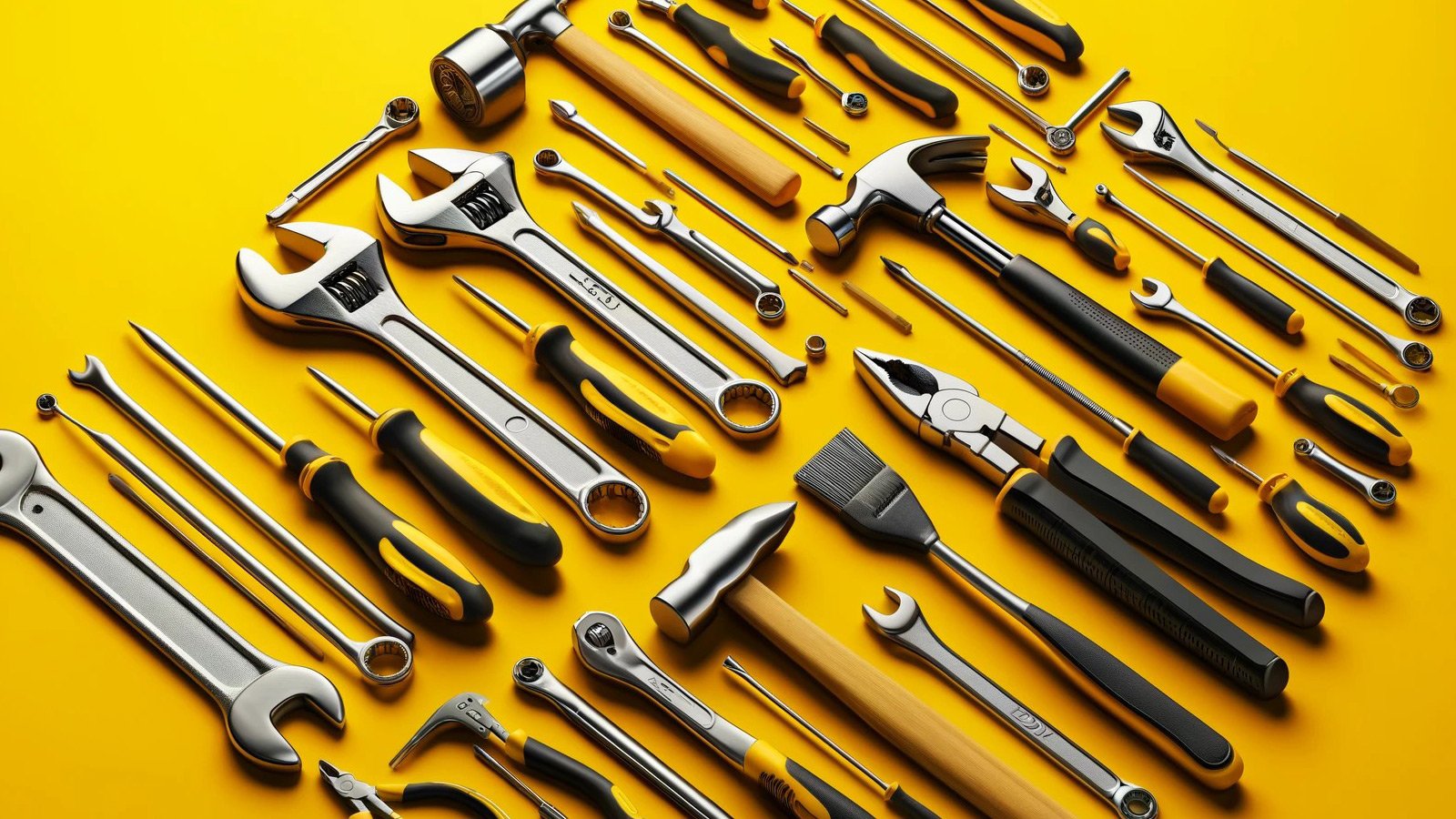
More inspiration for circular design
The European Right to Repair Directive is now in effect. The Netherlands has not yet transposed the European legislation into national policy—and is therefore behind schedule. However, a bill is currently under consideration that includes an additional provision for the Netherlands stipulating that consumers are also entitled to a refurbished product upon replacement. The right to repair is expected to take effect in the Netherlands by the end of this year. So there’s still some time for Dutch manufacturers.
Until then, look for inspiration in grandma’s pot in the kitchen cabinet or in the many circular product designs of the past and the future.
“Design products so that raw materials can be easily separated during recycling. Anything you laminate or combine—such as packaging with aluminum—won’t be recyclable tomorrow. So don’t design for the next recycling cycle, but for infinite reuse,” said Gijs Derks in the Financieele Dagblad.
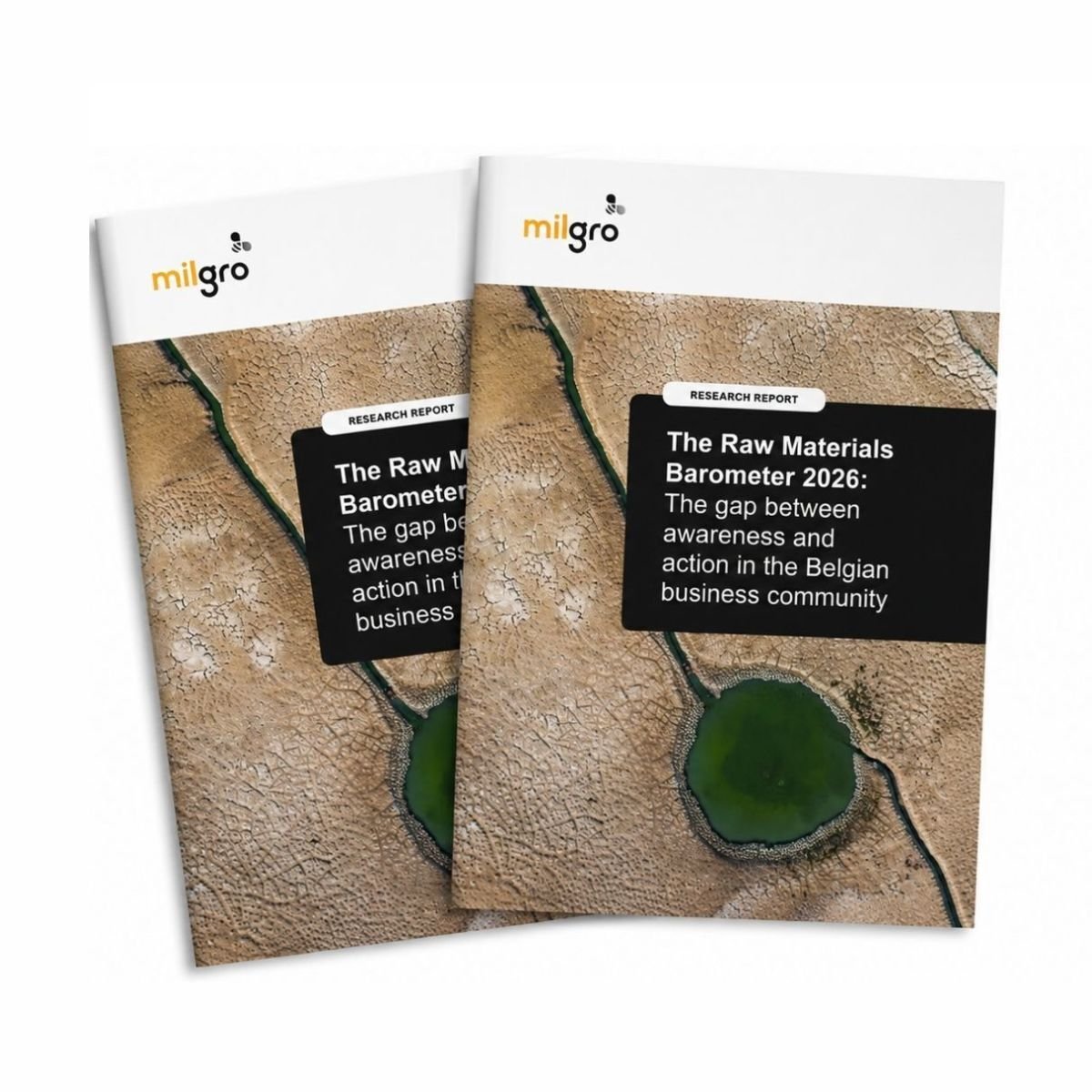
Where does the raw materials transition stand?
Most organizations are now aware that raw materials are becoming scarcer and more expensive. But to what extent is that awareness actually being translated into less dependent, circular business operations, of which circular design is a part?
The 2026 Raw Materials Barometer maps this gap between awareness and action for Dutch and Belgian organizations.


Stay informed
Follow us on LinkedIn. Here we share the latest news on regulations, circular topics and developments in the industry. You can also subscribe to our newsletter. Curious what Milgro can mean for your operations and waste processes? Feel free to get in touch.