

Too often, broken appliances are immediately replaced with new ones. This not only results in additional costs for consumers, but also contributes to a huge amount of waste. In Europe, around 35 million tons of electronic and electrical waste end up in the waste stream every year, a large proportion that could still have been repaired. In addition, this replacement process produces an estimated 261 million tons of carbon dioxide equivalent emissions.
The European Union has therefore introduced the Repair Directive. The goal is to make repairs easier and more attractive so that products last longer, consumers save money and there is less environmental impact. Research shows that 77% of EU citizens would rather repair than replace a product if it is practical and affordable. The Repair Directive responds directly to this desire.
What exactly is the Repair Directive?
The Repair Directive officially: Directive on common rules promoting the repair of goods, was adopted in July 2024 and must be incorporated into national law by July 31, 2026, giving consumers the right to have products that are technically repairable repaired, such as washing machines, smartphones, laptops and vacuum cleaners.
Manufacturers will be required to offer repairs within a reasonable time and at a reasonable price, unless repair is technically impossible. That means parts such as batteries, screens or motors must be more readily available and repairers will have access to technical information. This will make it much easier for consumers to repair rather than replace appliances.
Transparency is a key point of the directive. Manufacturers must clearly communicate what repairs are possible, how long they will take and what the costs will be. This makes repairs clear and encourages consumers to make an informed choice, rather than throwing away an appliance prematurely.
For those who want to read the official summary:
Read the summary on the European Commission website
This is what changes in concrete terms
The new rules bring concrete changes to the everyday use of appliances. Where repair used to be a difficult option, it will now become a viable and attractive choice.
Consumers will soon be able to decide for themselves whether to have an appliance repaired or replaced. Opting for in-warranty repair will automatically extend the warranty by 12 months. Manufacturers are also required to make repair information and prices clearly available, eliminating the need to guess whether a repair is possible.
In addition, a European online repair platform will be launched (expected in 2027), where consumers can easily find repairers and compare services, lowering the barrier to repair and encouraging reuse.
The figures highlight why these changes are needed. European consumers lose about €12 billion in potential savings annually by replacing rather than repairing. At the same time, the directive can help reduce the huge amount of electronic waste and associated carbon emissions, and significantly extend the life of appliances.
In short, the Repair Directive is changing the way consumers and businesses deal with broken appliances, with tangible benefits for both the economy and the environment.
Why it matters
The directive offers benefits on three fronts:
- For consumers: they have more control over their appliances, save costs and benefit from longer warranty periods.
- For businesses: service and sustainability can be combined, for example by offering repair as an additional service or keeping parts available longer.
- For the environment: keeping appliances in use longer reduces overall waste production and contributes to a circular economy.
What you can do now
Preparation is key. Consumers can already take stock of which appliances they use and how easy they are to repair. Entrepreneurs and repairers can prepare by thinking about spare parts inventory, service options and their presence on the future European repair platform. By making conscious choices and being actively informed, everyone can benefit from the new rules.
Conclusion: repair becomes the norm
The Repair Directive makes repair not only possible, but attractive and practical. For consumers, businesses and the environment, it offers opportunities beyond simply replacing broken appliances. The change is a step toward sustainability, cost savings and greater control for all. Those who act now can reap the benefits and actively contribute to a circular economy.
Want to learn more?
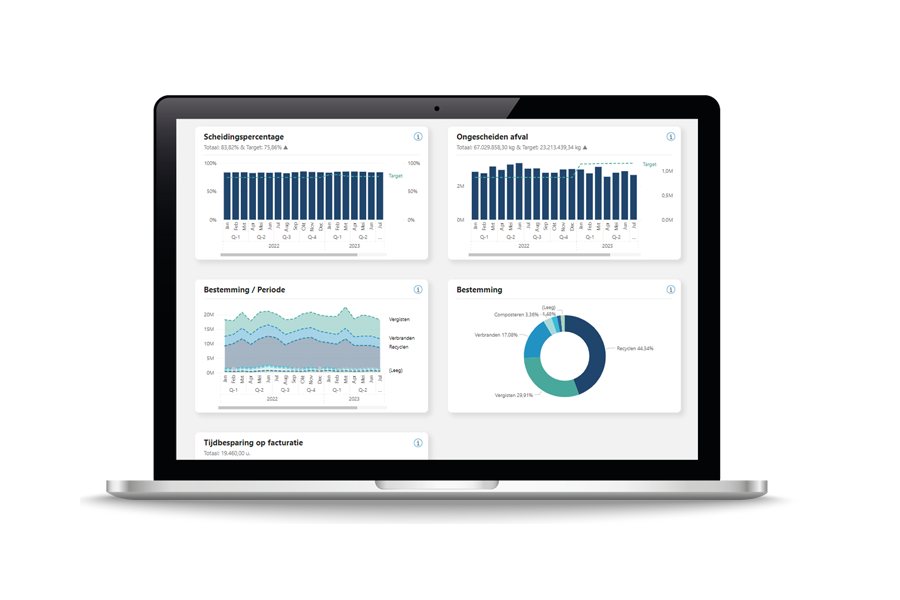
Schedule a meeting with one of our experts or book a demo of the Milgro dashboard.

Stay informed
Follow us on LinkedIn. Here we share the latest news on regulations, circular topics and developments in the industry. You can also subscribe to our newsletter. Curious what Milgro can mean for your operations and waste processes? Feel free to get in touch.
.jpg?width=380&name=Uitgelichte%20afbeelding%20(52).jpg)