

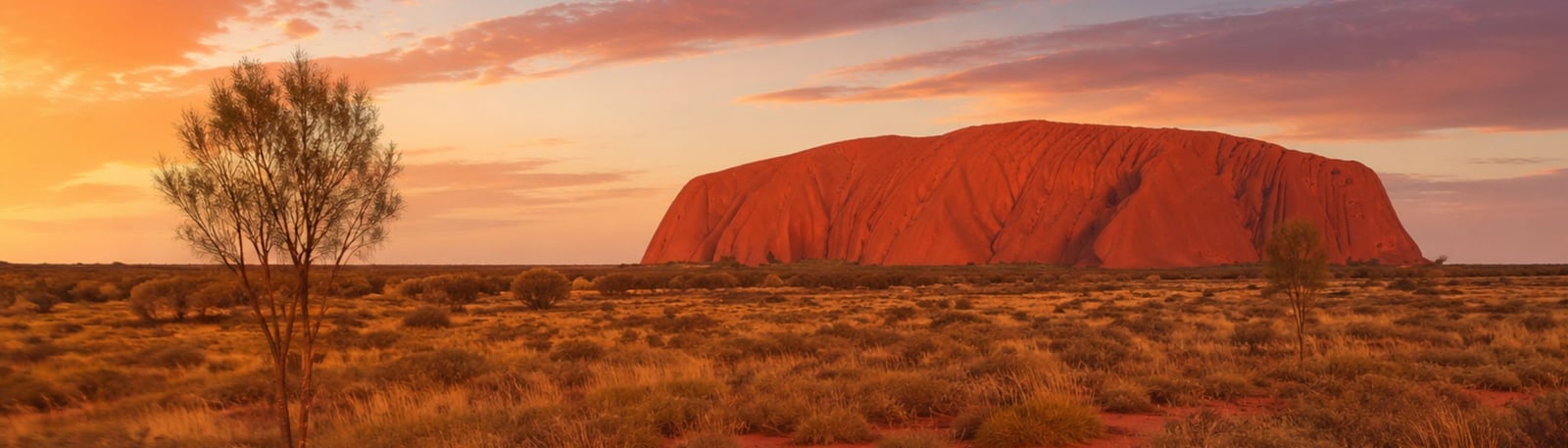

When you picture Australia, chances are you’ll think of the iconic big red rock paired with a kangaroo. It’s located in the heart of Australia: The Red Center. The earth and rocks here have a deep red-orange color, created by the effects of air and water.
Although it used to be possible to climb Uluru (the name of the iconic rock), that changed in October 2019. The most obvious reason? Safety. However, the amount of trash here also played a surprising role in the decision.
In this blog series, we take a look at waste management beyond the borders of the Netherlands and Belgium. How do other cities and countries manage their waste streams? What can we learn from them—and what should we avoid? These insights help us achieve our mission: a world free of waste.
A Look at the Red Center and Its Waste
Every year, nearly 300,000 visitors travel to Uluru-Kata Tjuta National Park. Most come from “overseas,” because if you ask the average Aussie, they often haven’t yet gotten around to visiting this Australian icon. Given its location in the middle of nowhere, that’s not surprising, since it’s still a good three-hour flight from Sydney and the surrounding area before you set foot on the red sand.
In a sense, you couldn’t really call The Red Centre a built-up area. The lack of houses is what struck Content Marketer Maaike Lesuis when she recently traveled to this spot Down Under. The waste generated here comes mainly from the nearby hotels. “If you see a trash can on the street, it’s sorted the same way as on the West Coast: general waste (residual waste), recycling (plastic bottles, cans),” says Maaike.
.jpg?width=470&height=470&name=LinkedIn%20template%20(11).jpg)
In areas around resorts, trash is usually collected daily or several times a week. In smaller towns like Alice Springs, however, trash is collected less frequently due to the difficulty of accessing these areas. A frequency of once or twice a week for general waste and recycling is typical here. This is often handled by private waste management companies.
Litter in Uluru?
Our colleague Maaike didn’t encounter any here. This is striking, because in the National Park itself (outside the resorts), you’ll find few to no trash cans along hiking trails and at viewpoints. The philosophy of Uluru-Kata Tjuta National Park? No trash cans, so no trash. By organizing things this way, they aim to prevent waste at the source: whatever you bring with you, you must take back with you. It’s a similar approach to what you see in Japan . Although trash cans are rarely found on the streets, everyone neatly carries their trash with them until they find a place to dispose of it.
But before the rock was closed to climbers, the situation was different, Maaike explains. Read more about that below.
Trash on Uluru: Reason for the Climbing Ban
Between 2010 and 2015, an average of 20,000 to 40,000 visitors climbed the rock each year. At the top, they spent over two hours enjoying the view. But there were no trash cans on the 348-meter-high rock. The result? Tourists left their trash behind. Although it rarely rains in the Red Center, heavy downpours still wash trash down the sides of Uluru. This is striking, especially since the rockhas nowbeen closed to climbersfor seven years . Although you might think this waste consists mainly of product packaging, it’s primarily camera batteries that park rangers find. The guide, who told Maaike more about the history and how this natural phenomenon is protected during the walk around Uluru, found this surprising as well.
A Critical Look
But if we take a critical look: there used to be no trash cans on the summit of Uluru, which resulted in litter. Now, in the National Park, there are still no trash cans along the hiking trails. Yet these days, there seems to be hardly any litter left. So what has changed?
Maaike asked her guide that question. The answer lies not in the waste management policy itself, but in the way the area is protected.
In the past, the focus was mainly on climbing Uluru. Visitors flocked to the rock to climb it and get as close to the top as possible. The area was thus primarily treated as a tourist attraction.
Today, things are different. Uluru is now a protected area within a national park. Climbing is prohibited, and visitors are only allowed to use the walking trails and viewpoints. As a result, the focus is now much more on nature conservation, respect for the site’s cultural significance, and clear rules of conduct for visitors. “That seems to make all the difference,” said the guide who explained this to Maaike.
What can we learn from the approach taken at Uluru-Kata Tjuta National Park?
Fewer trash cans on the streets, based on the idea: “no trash cans, so no trash.” It sounds simple, but whether we can apply this approach exactly as is in the Netherlands and Belgium remains to be seen.
In addition, Japan might be a better example in this regard. Because although this approach seems to be working in The Red Centre, you’ll find trash cans on virtually every street corner in heavily visited areas along the Australian west coast. In Japan, on the other hand, public trash cans are scarce even in busy cities. The secret lies more in upbringing and education. People there simply don’t know any better.
In any case, behavior regarding waste can be influenced, as is clearly evident here. This is something you can also work on in the workplace. It starts with raising awareness among employees. Understanding why waste separation is important, what happens when waste is disposed of incorrectly, and what belongs where.
Ready to get started on behavioral change in your workplace?
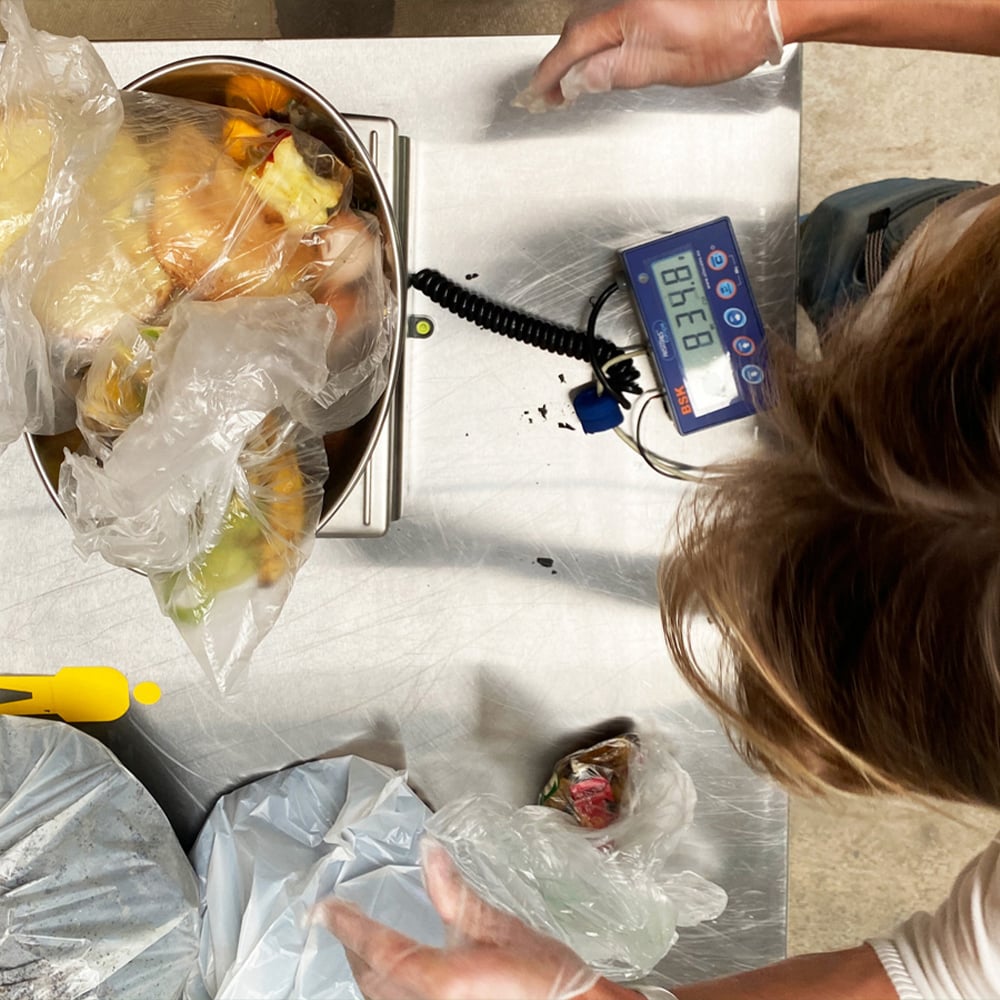
During our Zero Waste Workshop, you’ll actively get to work alongside your colleagues. We’ll literally dive into the trash cans and map out the waste streams generated at your location. Where’s the best place to sort them?
Next, we’ll focus on behavioral change: how can you design waste collection points so that employees automatically make the right choice? That’s behavioral change in action.
Zero Waste Workshop
Click the link below for more information about the Workshop.

Read also
A view of waste from Portuguese cities
Stay informed
Follow us on LinkedIn. Here we share the latest news on regulations, circular topics and developments in the industry. You can also subscribe to our newsletter. Curious what Milgro can mean for your operations and waste processes? Feel free to get in touch.