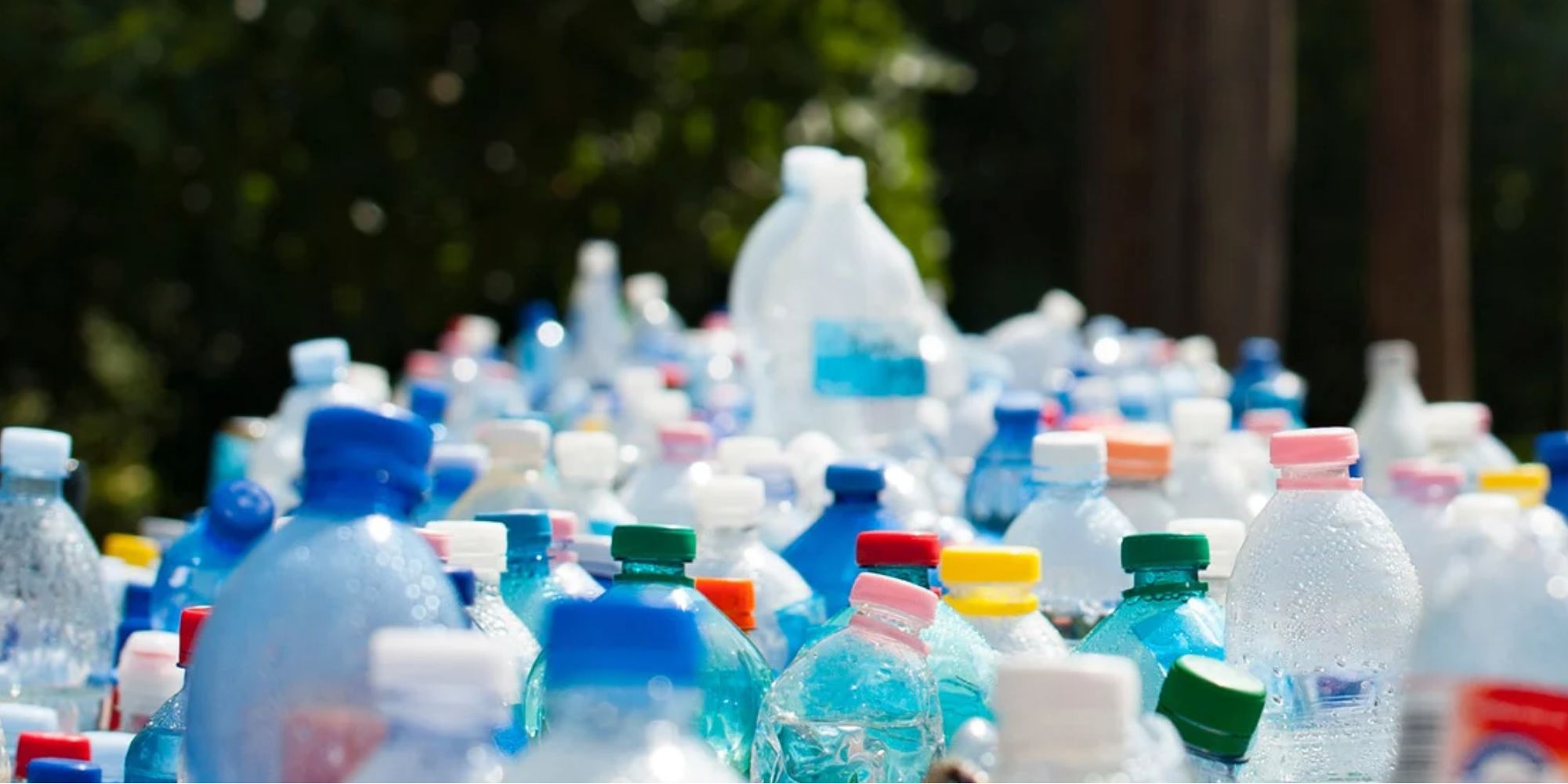


Starting November 21, 2026, a European ban on the export of plastic waste to countries outside the OECD, such as Indonesia, Malaysia, and Vietnam, will take effect. The ban will remain in place until May 2029. As a result, plastic waste from the EU must be processed in Europe or in OECD countries.
For years, European plastic waste was exported to Southeast Asia. Officially, this was for recycling, but in practice, the infrastructure to properly process the waste was often lacking there. As a result, waste ended up on the side of the road, was burned in the open air, or ended up in the ocean via rivers.
What exactly will change on November 21, 2026?
On November 21, 2026, a complete ban on the export of plastic waste from the EU to countries that are not members of the OECD (Organization for Economic Cooperation and Development) will take effect. The ban applies to both hazardous and non-hazardous plastic waste. It also covers clean, sorted streams intended for recycling.
The ban stems from the revised European Waste Shipment Regulation (Regulation (EU) 2024/1157), known in Dutch as the EVOA. That regulation has been in force since May 20, 2024, and is being phased in step by step. The ban on plastic exports is one of its most far-reaching provisions.
The ban will remain in effect until at least May 21, 2029. After that, a non-OECD country may once again receive European plastic waste, but only under strict conditions. To do so, the country must notify the European Commission and demonstrate that it can process the waste in an environmentally responsible manner. Furthermore, this applies only to non-hazardous plastic waste.
Exports to OECD countries, such as Turkey, the United Kingdom, and Norway, will remain possible. The European Commission is also closely monitoring those waste streams. If it turns out that the waste is not being properly processed there, exports may still be suspended.
What steps preceded this, and what’s next?
The export ban does not stand alone. It is part of a series of measures aimed at further reducing waste exports. Since May 21, 2026, a prior notification and consent procedure has already applied to all exports of plastic waste, including clean, non-hazardous streams. Exporters must demonstrate that the receiving processor treats the waste in an environmentally responsible manner. On November 21, 2026, a complete ban on exports to non-OECD countries will be added to these requirements.
On May 21, 2027, the next phase will take effect. From that date onward, exporters must demonstrate through independent audits that foreign processors meet the requirements. For other non-hazardous waste as well, exports to non-OECD countries will then only be permitted to countries approved by the European Commission.
Why is Europe taking this measure?
Europe wants to prevent European waste from becoming an environmental problem elsewhere and to keep valuable raw materials within Europe. Until 2018, China processed a large portion of the plastic waste from the rest of the world: between 1992 and 2016, the country accounted for about 45 percent of global plastic waste imports. When China closed its borders in 2018, the waste had to find a new destination. Exports to countries such as Malaysia, Vietnam, and Indonesia increased sharply. These countries often lacked the capacity to properly process that waste, resulting in illegal dumping, open burning, and polluted rivers.
How much plastic waste are we talking about?
In 2025, the EU exported about 1.5 million metric tons of plastic waste. About half of that, approximately 737,000 metric tons per year, went to countries outside the OECD. Starting November 21, that stream must find a different destination: recyclers in Europe or in OECD countries.
What is the impact of the export ban?
The export ban is expected to initially lead to higher costs for companies that generate large amounts of plastic waste, such as distribution centers, the construction industry, and the food industry. They will no longer be able to dispose of their plastic cheaply in Southeast Asia. Since that waste must now be processed in Europe, the pressure on waste processors and collectors is increasing. Where capacity becomes scarce, higher processing fees are likely.
In addition, quality requirements are becoming stricter. As more plastic waste enters the European market, recyclers may become more selective about what they accept. Clean and properly sorted plastic will then have the best chance of being recycled. Contaminated or mixed streams are more likely to end up in the residual waste stream.
On paper, Dutch recycling companies should benefit from the export ban, as more material will become available. Yet they are under pressure. High energy prices make recycling expensive, and new (virgin) plastic from China and the U.S., among other sources, is often cheaper. Manufacturers are required by the European Packaging and Packaging Waste Regulation (PPWR) to use recycled plastic, but that requirement does not take effect until 2030. Until then, many manufacturers are still opting for the cheaper virgin plastic.
Is plastic waste now shifting to Turkey?
Turkey is already the largest destination for European plastic waste, and because it is a member of the OECD, it is not subject to the export ban. Now that routes to Southeast Asia are closing, the flow to Turkey may increase further.
Whether Turkey can handle that extra flow remains to be seen. The country imports about 1.3 million metric tons of plastic waste per year and produces approximately 3.3 million metric tons itself. The processing capacity of the more than 1,200 recycling companies is around 1.1 million metric tons. Furthermore, local organizations have reported some 200 fires at Turkish plastic recycling facilities over the past five years. For this reason, the European Commission is closely monitoring exports to Turkey and other OECD countries. If it turns out that the waste is not being properly processed there, exports may still be suspended.
How can your organization prepare for the export ban?
The export ban formally applies to exporters, but it affects every organization that generates plastic waste. The best way to prepare is to ensure that your plastic is as clean and properly sorted as possible. That way, it remains attractive to recyclers, even if they become more selective about what they accept.
It starts with understanding. What types of plastic does your organization generate, how much is there, and where does it come from? Think of plastic film in a distribution center, packaging materials in production, or plastic on a construction site.
The next step is sorting at the source. The sooner plastic is separated from other waste, the purer the stream remains. Make sure you have the right bins in the right places and make it as easy as possible for employees with waste sorting posters. This way, they can see at a glance which bin to use for plastic waste.
Conclusion: a back door is closing
With the export ban taking effect on November 21, 2026, Europe is closing a back door. Plastic waste can no longer be shipped to countries that lack the capacity to process it properly. That’s good news for people and the environment in those countries, but it also places the responsibility more squarely on us. In the short term, this could lead to higher costs and stricter quality requirements.
The question is: should your (plastic) waste even cross the border?
The Netherlands and Belgium have numerous processing partners that can handle your specific waste streams, including plastic. Milgro works with a network of 500+ certified partners and takes control of the entire chain, from collection to processing and the recovery of raw materials.
Discover the options for your plastic waste by having a no-obligation discussion with one of our experts.

Stay informed
Follow us on LinkedIn. Here we share the latest news on regulations, circular topics and developments in the industry. You can also subscribe to our newsletter. Curious what Milgro can mean for your operations and waste processes? Feel free to get in touch.