


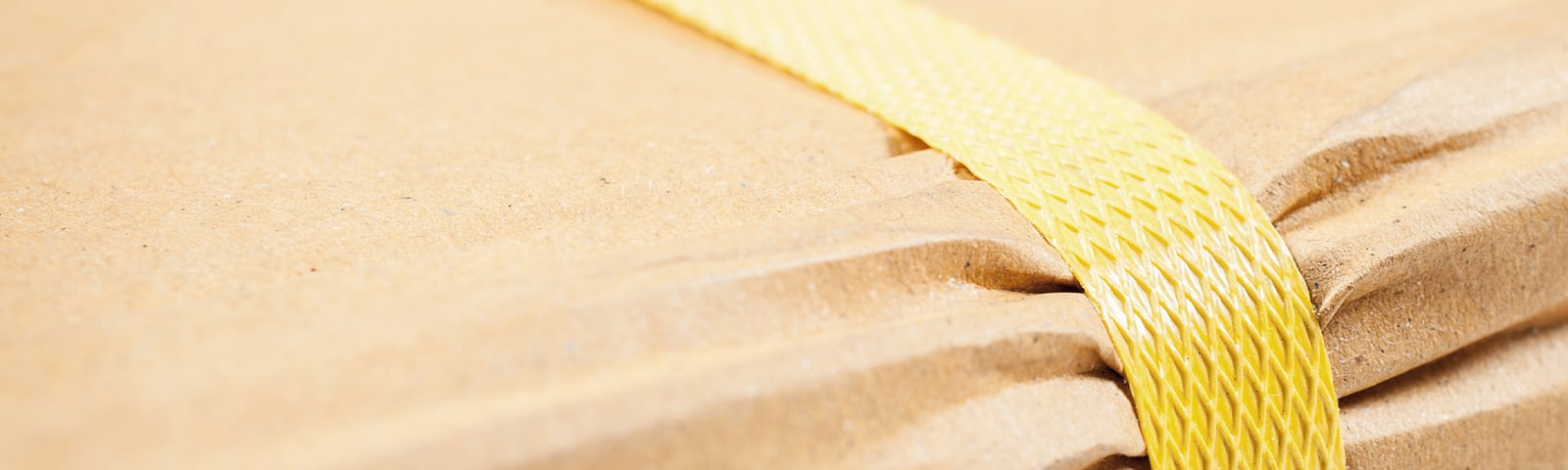

Plastic strapping, also known as straps, was regularly mixed with other packaging waste, such as plastic film, at our partner’s facility in the logistics sector. Because both materials are thin and flexible, sorting machines have difficulty distinguishing between them. As a result, the straps ended up in the general waste. These strapping bands, made of polypropylene (PP) or polyester (PET), are generated on the shop floor when goods are unpacked.
The Zero Waste Workshop provided the solution
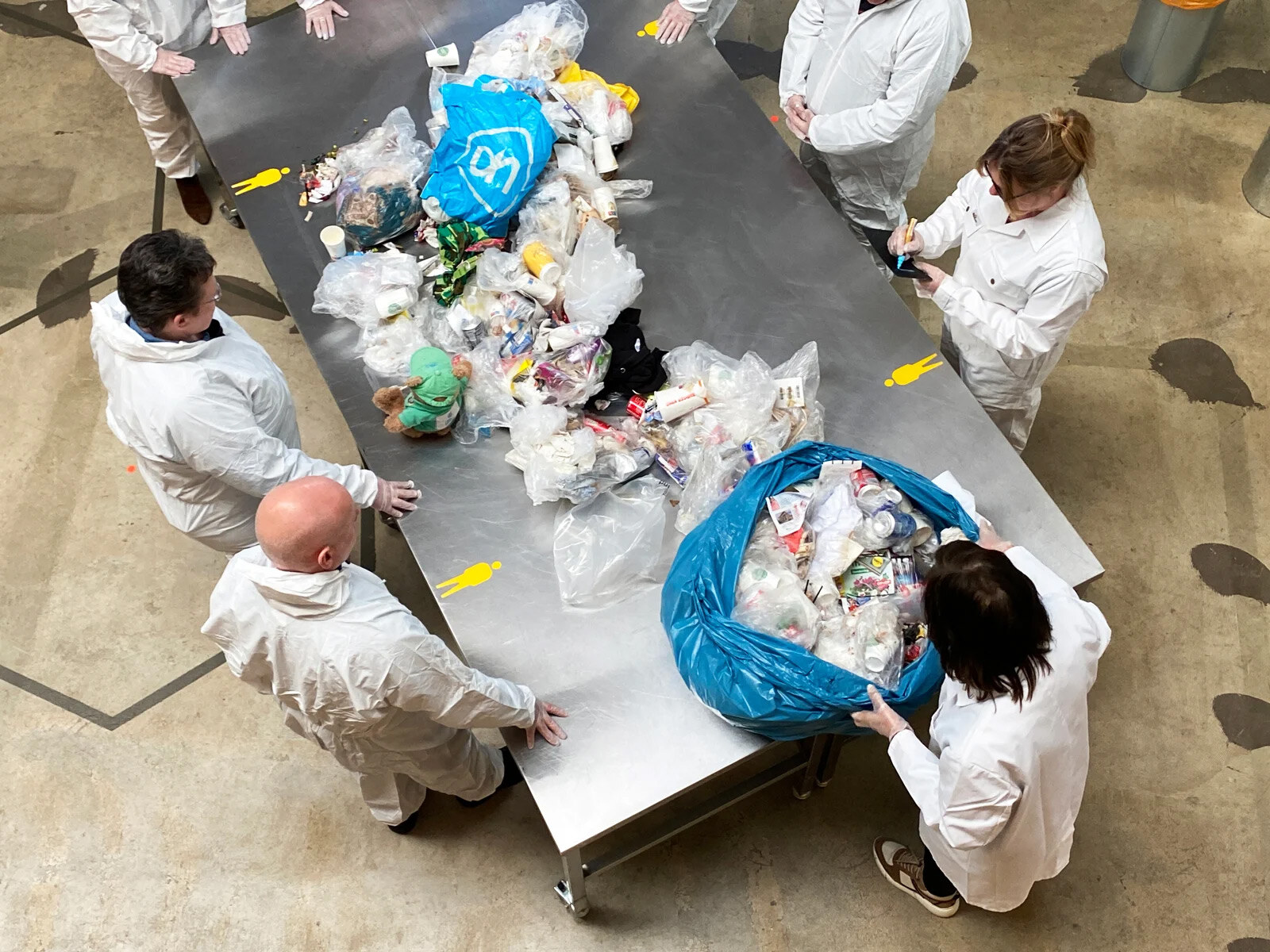
One of the best ways to reduce waste in a company is to involve all employees. Together with our partners and their colleagues, we took a close look at this specific waste stream during a Zero Waste Workshop organized by Milgro.
We analyzed topics such as:
-
How is the waste separation process set up?
-
Are the waste bins in the right places?
-
Where are the opportunities for optimization?
These insights were analyzed, after which a targeted solution was found for the straps. Now, the straps are collected directly where they are generated (during unloading of goods) in separate plastic bags, thereby separating the waste stream at the source. The plastic bags are then sent to a processor that specializes in recycling this type of plastic. Because the straps remain clean and unmixed in this way, they can now be recycled into high-quality products, and this specific waste stream is also preserved as a raw material.
Do you also have a waste stream that still ends up in residual waste?
During a Zero Waste Workshop, we work with your team to identify where the opportunities lie and which solutions can be put into practice right away.

Want to know what Milgro can do for your organization?
Feel free to contactStefan Geskus. He’d be happy to assist your organization.
Stay informed
Follow us on LinkedIn. Here we share the latest news on regulations, circular economy topics, and industry developments. You can also subscribe to our newsletters andlisten to our podcast, “Food for Thought , ” while you’re out for a walk or on the go. Curious about what Milgro can do for your business operations and waste management process? Then get in touch.